
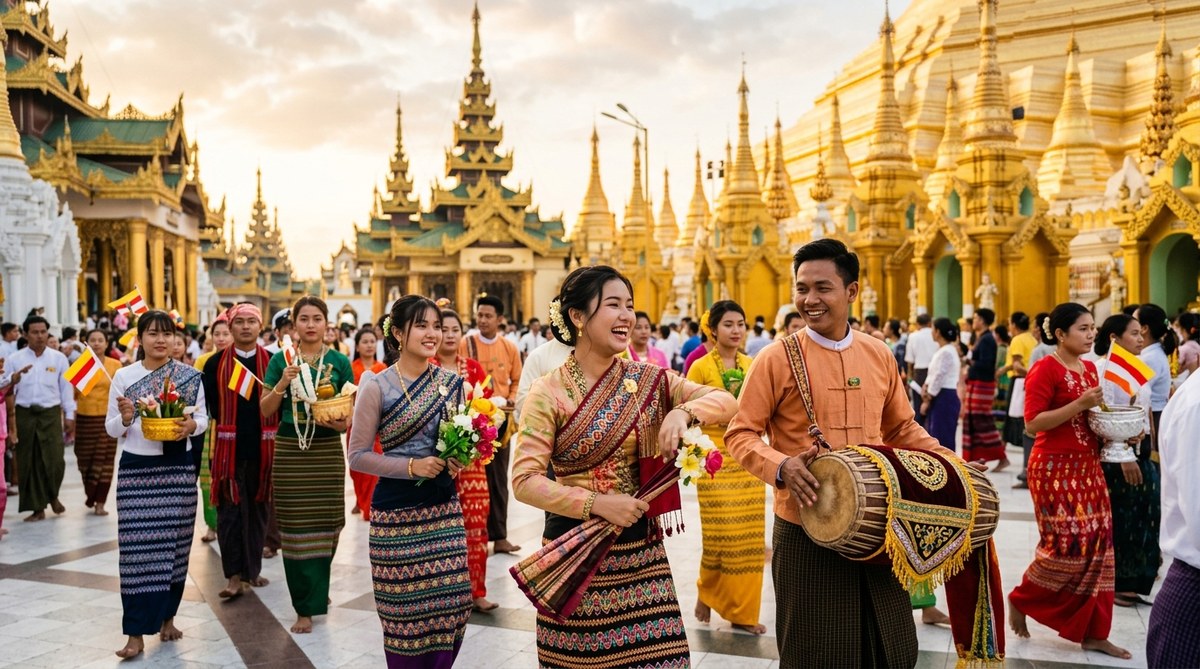
Myanmar’s traditional festivals offer a colorful window into Myanmar’s rich cultural tapestry. These celebrations are more than just dates on a calendar; they are living expressions of history, spirituality, and community spirit. Whether you are a traveler seeking authentic experiences or a student eager to understand Myanmar’s diverse heritage, immersing yourself in these festivals can be truly transformative. Each event tells a story of ancient customs, religious beliefs, and the vibrant life of Myanmar’s many ethnic groups.
The Significance of Myanmar Traditional Festivals
Myanmar’s festivals are rooted in centuries-old traditions. They serve as occasions for communities to honor religious figures, celebrate seasonal changes, and reinforce social bonds. Most festivals follow lunar calendars, making their dates vary each year. They often include rituals, music, dance, and food, bringing together people from different walks of life.
Understanding these festivals helps foster cross-cultural respect. They reveal how Myanmar’s history, spirituality, and ethnic diversity are woven into daily life. Participating in or observing these events provides insights that go beyond textbooks. It also supports civic engagement and promotes transparency by highlighting the importance of cultural preservation.
Major Festivals Throughout the Year
Myanmar hosts numerous festivals, each with its unique customs and significance. Here are some of the most celebrated:
Thingyan Water Festival (Myanmar New Year)
Held in April, Thingyan marks the Myanmar New Year with a lively water festival. It symbolizes cleansing and renewal. People splash water on each other, sing traditional songs, and perform dance routines. The event often lasts for several days, culminating in the official New Year celebrations.
Thadingyut Festival (Lighting Festival)
Taking place in October or November, Thadingyut commemorates Buddha’s descent from Tavatī heaven. Homes and monasteries are decorated with millions of lights and candles. Devotees offer prayers and participate in processions, emphasizing the importance of generosity and spiritual reflection.
Tazaungdaing Festival (Offering Festival)
Celebrated in November, Tazaungdaing marks the end of the rainy season. Monks receive new robes, and communities exchange offerings. The festival includes traditional music, dance, and lantern displays. It is a time for merit-making and community solidarity.
Phaung Daw Oo Pagoda Festival
This festival occurs in the town of Inle Lake during September or October. It features a procession of sacred Buddha images on decorated boats. Pilgrims and tourists gather to witness the colorful event, which celebrates local religious traditions and the lake’s cultural heritage.
Thingyan and the Lunar Calendar
Many festivals follow lunar cycles, meaning their dates shift annually. For example, the full moon day often determines the timing of religious festivals, ensuring they align with lunar phases and spiritual significance.
How To Experience Myanmar Traditional Festivals
Attending festivals in Myanmar can be a rewarding experience. Here’s a simple guide to help you participate respectfully and meaningfully:
- Research the festival date and significance
Check local calendars and sources like Myanmar tourism websites or cultural organizations to find accurate dates. - Respect local customs and dress modestly
Wear appropriate attire, especially when visiting temples or religious sites. - Join local festivities with an open mind
Participate in communal activities such as offering food, assisting in rituals, or enjoying traditional performances. - Capture memories responsibly
Ask for permission before photographing locals or religious ceremonies. - Learn some basic phrases
Greeting locals in Burmese like “Mingalaba” can enhance your experience.
Practical Process for Festival Participation
- Plan your visit well in advance
Many festivals attract large crowds. Arrive early to find good vantage points and avoid missing key events. - Connect with local guides or cultural groups
They can provide context and help you understand rituals you observe. - Respect the environment and community spaces
Keep the area clean and follow guidelines set by organizers. - Engage with local artisans and vendors
Purchase handcrafted items or traditional foods to support local economies. - Reflect on the experience
Take time to appreciate the cultural significance and the community’s spirit.
Scanning for a Rich Festival Experience
- Attend religious ceremonies and offerings
- Participate in water splashing during Thingyan
- Enjoy traditional music, dance, and food
- Observe community rituals and processions
- Learn about the history behind each festival
Common Mistakes to Avoid
| Techniques | Mistakes |
|---|---|
| Dressing modestly and respectfully | Wearing revealing clothes during religious events |
| Asking permission before photographing | Taking photos without consent |
| Participating with an open mind | Being disrespectful to local customs |
| Supporting local artisans | Buying counterfeit or cheap souvenirs |
| Being mindful of the festival’s spiritual significance | Ignoring the cultural context |
“Participating in Myanmar festivals offers a chance to see beyond the surface. Approach each event with respect, curiosity, and humility, and you will find yourself immersed in the true spirit of Myanmar’s vibrant culture.” — Cultural expert
Preserving Traditions for Future Generations
Festivals in Myanmar are more than celebrations; they are vital links to the past. They help preserve languages, crafts, and rituals that might otherwise fade away. Efforts by local communities, government agencies, and cultural organizations aim to keep these traditions alive.
Supporting sustainable tourism that respects local customs ensures that festivals continue to thrive. Travelers and enthusiasts can contribute by spreading awareness and sharing positive experiences. Learning about the stories behind each festival deepens appreciation and encourages preservation efforts.
Celebrating Myanmar’s Cultural Diversity
Myanmar’s festivals reflect its ethnic mosaic. The country is home to over 135 recognized ethnic groups, each with its unique customs. For example, the Karen celebrate the Pagaya festival, while the Shan observe the Songkran festival with distinct regional flavors.
This diversity enriches the fabric of Myanmar’s festivals. Participating in different cultural events broadens understanding and fosters cross-cultural respect. It also highlights the importance of inclusivity in preserving Myanmar’s shared heritage.
Final Thoughts on Myanmar’s Festival Traditions
Engaging with Myanmar’s traditional festivals offers a genuine connection to the country’s soul. Whether you’re watching a sacred Buddha procession on Inle Lake or joining water fights during Thingyan, each moment deepens your appreciation for Myanmar’s vibrant culture.
Remember, respecting local customs and approaching each festival with an open heart enhances your experience. These celebrations are not just sights to see but stories to live and share. By immersing yourself in Myanmar’s festivals, you help keep these beautiful traditions alive for generations to come.
Keeping the Spirit of Myanmar’s Festivals Alive
As you plan your journey into Myanmar’s festive calendar, take time to learn about each celebration’s meaning. Engage with local communities, support artisans, and embrace the spirit of sharing. Festivals are a living testament to Myanmar’s resilience and cultural richness. Your participation can help preserve these traditions and foster mutual understanding. Let each festival inspire you to celebrate diversity and cherish the stories that define Myanmar’s unique identity.