
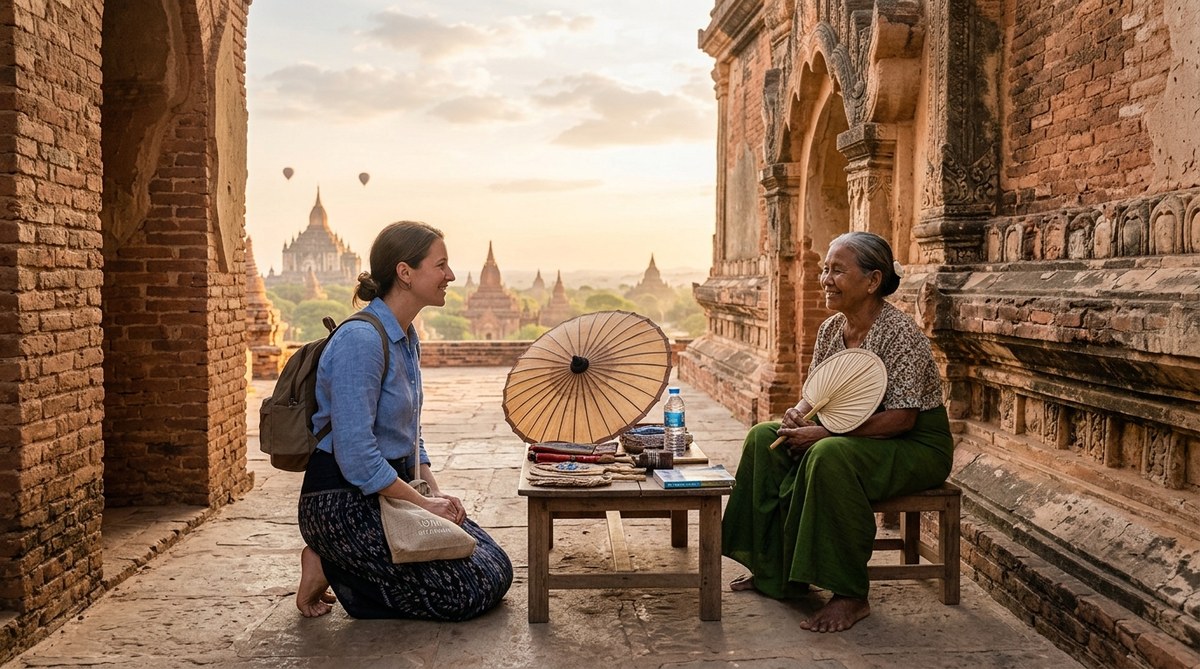
Planning a trip to Myanmar in 2026 is an act of curiosity and courage. This country, shaped by ancient kingdoms, colonial history, and a complex present, offers travelers something rare: a chance to connect with communities that have seen very few visitors in recent years. But that privilege comes with responsibility. Every dollar you spend, every photo you take, and every interaction you have carries weight. The goal is not just to see Myanmar but to leave it better than you found it. Responsible travel in Myanmar means showing up informed, respectful, and ready to listen.
Responsible travel in Myanmar starts with preparation. Learn the current political and social landscape before you go. Support local businesses, guesthouses, and family-run eateries instead of international chains. Dress modestly at religious sites, ask permission before photographing people, and avoid discussing sensitive topics like politics or ethnicity. Your presence can be a force for good if you travel with intention and humility.
Why Your Travel Ethics Matter in Myanmar Right Now
Myanmar is not a typical tourist destination. Years of political change, economic hardship, and conflict have reshaped daily life for millions of people. The tourism industry, once a bright spot, has struggled. Many communities that relied on visitors for income have had to find other ways to survive. When you choose to travel responsibly to Myanmar in 2026, you are helping to rebuild livelihoods.
But here is the tricky part. Your presence also has a political dimension. International attention can shine a light on local realities. It can support grassroots organizations, local artisans, and small business owners who are working hard to keep their traditions alive. On the flip side, careless tourism can unintentionally support structures that harm local people.
The key is intention. Are you coming just to take pictures? Or are you coming to learn, respect, and contribute? The answer shapes everything.
What Responsible Travel Actually Looks Like on the Ground
Responsible travel is not a buzzword. It is a set of daily choices. Here is what it means when you are in Myanmar.
Learn About the Country Before You Arrive
Do not show up blind. Read about Myanmar’s history, its ethnic diversity, and its recent political events. Understand that the country is home to over 135 recognized ethnic groups, each with its own language, traditions, and relationship to the central government. Know that the situation on the ground is complex and that local perspectives vary widely.
A great starting point is our guide on what you really need to know before traveling to Myanmar in 2026. It covers entry requirements, safety considerations, and what has changed in recent years.
Choose Local Accommodations and Services
Big international hotel chains often repatriate profits to headquarters abroad. Local guesthouses, family-run inns, and community homestays keep money inside Myanmar. They also offer a more authentic experience. You will eat better food, hear real stories, and wake up to the sounds of neighborhood life.
The same logic applies to tours. Hire local guides instead of foreign-run operators. Book transport through local companies. Every choice channels resources to people who need them.
Dress and Act with Cultural Awareness
Myanmar is a conservative society. Modesty matters. Cover your shoulders and knees when visiting temples, pagodas, and monasteries. Remove your shoes and socks before entering any religious building. Do not touch monks or nuns, and do not sit with your feet pointing at a Buddha image or a person.
Public displays of affection between partners are considered inappropriate. Keep your voice low in sacred spaces. Smile often. Burmese people are known for their warmth, and a respectful attitude will open doors.
For a full breakdown of customs, check out our practical guide to Myanmar customs and local etiquette for travelers in 2026.
Spend Money Intentionally
Where you spend your money matters. Here are some guidelines.
- Eat at local tea shops and street stalls. The food is delicious, and the money goes directly to families.
- Buy handicrafts directly from artisans, not from souvenir shops that import goods from other countries.
- Skip businesses that exploit animals, including elephant riding shows and bear baiting attractions.
- Donate to reputable local charities if you want to give back. Do not give money to children on the street, as this can encourage harmful practices.
A Step-by-Step Process for Preparing Your Trip
Getting ready for a responsible trip to Myanmar takes more than booking a flight. Follow these steps to ensure you are prepared.
-
Check travel advisories from your home government. The situation in Myanmar can change. Look for official updates from the U.S. Department of State or your country’s equivalent. Understand which regions are open to visitors and which are not.
-
Apply for the correct visa. Most travelers need a visa to enter Myanmar. You can apply for an e-visa online or get a visa on arrival at certain airports. Make sure your passport has at least six months of validity remaining. For detailed instructions, read our complete guide on how to get your Myanmar visa.
-
Get travel insurance that covers medical evacuation. Healthcare facilities in Myanmar are limited, especially outside Yangon and Mandalay. If you get seriously injured or sick, you may need to be evacuated to Thailand or Singapore. Do not skip this step.
-
Learn a few phrases in Burmese. Simple greetings go a long way. “Mingalaba” means hello. “Jezu tin ba deh” means thank you. “Nay kaung la?” means how are you? Locals appreciate the effort, even if your pronunciation is imperfect.
-
Pack appropriately. Bring lightweight clothing that covers your body, a scarf or shawl for temple visits, comfortable walking shoes, insect repellent, and any prescription medications you need. Check our essential Myanmar packing list for seasonal variations.
Cultural Etiquette at a Glance
Here is a comparison of what to do and what to avoid in common situations.
| Situation | What to Do | What to Avoid |
|---|---|---|
| Entering a pagoda or temple | Remove shoes and socks at the entrance. Walk calmly. | Pointing your feet at Buddha images or monks. |
| Meeting someone new | Lower your gaze slightly and offer a small smile. | A firm handshake or direct eye contact, which can feel aggressive. |
| Receiving or giving an object | Use your right hand or both hands together. | Using only your left hand, which is considered unclean. |
| Photographing people | Smile, make eye contact, and gesture toward your camera. Ask first. | Taking photos without permission, especially of monks or elderly people. |
| Visiting a monastery | Sit lower than the monks if possible. Speak softly. | Touching a monk or handing something directly to them. |
| Eating with locals | Wait to be invited before starting. Try a little of everything. | Refusing food repeatedly, which can offend your host. |
How to Handle Money and Payments
Cash is still king in Myanmar. While credit cards are accepted at upscale hotels and some restaurants in Yangon, most transactions happen in cash. ATMs exist in cities but may run out of money or reject foreign cards. Always carry enough cash for several days.
The local currency is the Myanmar kyat. Bring crisp, clean U.S. dollars as a backup. Older bills, torn notes, or marks on the currency are often rejected. Exchange money at official counters or banks. Avoid black market currency traders.
For a full breakdown, read our guide on money matters in Myanmar. It covers exchange rates, which ATMs work best, and tips for keeping your cash safe.
A Local Perspective on Responsible Tourism
“The best visitors are the ones who ask questions before they take pictures. They want to know about our lives, not just our temples. When a traveler stays in my village, eats with my family, and buys a scarf my mother wove, that is real support. That is respect.” — A community leader from Inle Lake region
This quote captures the essence of responsible travel. It is about relationship, not consumption. It is about seeing people as people, not as part of the scenery.
Common Mistakes to Avoid
Even well-meaning travelers slip up. Here are some of the most common mistakes people make in Myanmar.
- Assuming everyone speaks English. English is taught in schools, but fluency varies. Speak slowly, use simple words, and be patient. Download a translation app before you go.
- Taking photos of people without asking. This is the number one complaint from locals. Always ask. If someone says no, respect their wish. If they say yes, consider sending them the photo if you can.
- Touching someone’s head. In Burmese culture, the head is considered the most sacred part of the body. Never touch a person’s head, including a child’s.
- Discussing politics openly. Myanmar’s political landscape is sensitive. Avoid asking people about their views on the government, the military, or ethnic conflicts. You do not know who is listening or how it might affect them.
- Dressing too casually. Shorts, tank tops, and beachwear are only acceptable at the beach. In cities, towns, and villages, dress modestly to avoid causing offense.
- Rushing through temples. Bagan alone has thousands of pagodas. It is tempting to try to see them all in one day. Instead, pick a few and spend time there. Sit quietly. Absorb the atmosphere.
For more on this topic, see our list of 10 common travel mistakes to avoid in Myanmar.
Supporting Communities Through Responsible Spending
Your wallet is your strongest tool for good. Here are practical ways to ensure your money reaches the people who need it most.
- Stay at locally owned guesthouses or community homestays.
- Eat at family-run tea shops and street food stalls.
- Hire local guides recommended by your accommodation.
- Buy handmade goods directly from artisans and weavers.
- Use local transport like buses, shared taxis, and trains whenever possible.
- Skip tours that involve animals, especially elephants performing tricks or riding elephants.
- Donate to vetted local organizations if you want to contribute beyond your spending.
If you are interested in how local communities are building economic resilience, read about the rise of social enterprises in Myanmar. These groups are creating jobs and preserving traditions in creative ways.
Staying Safe While Traveling Responsibly
Safety is part of responsible travel. If you put yourself in danger, you also put strain on local resources. Here are some ground rules.
- Register with your embassy or consulate when you arrive. They can contact you if the situation changes.
- Avoid travel to conflict zones. Some areas of Rakhine, Shan, Kachin, and Chin states are not safe for visitors.
- Let someone know your itinerary. Share your plans with your hotel or a friend at home.
- Carry a printed map and have offline access to navigation. Internet service can be patchy, especially outside cities.
- Be cautious after dark in unfamiliar areas. Stick to well-lit streets and trusted transport.
For a realistic assessment, read our article on whether Myanmar is safe to visit. It breaks down risks by region and traveler type.
How Your Visit Can Support Transparency and Good Governance
This might sound unexpected, but travelers can play a small role in supporting accountability in Myanmar. How? By choosing to spend money with businesses that operate ethically. By asking questions about where products come from. By sharing accurate information about Myanmar when you return home.
The tourism industry can be a force for transparency. When visitors demand ethical practices, businesses adapt. When travelers share stories about local communities, they amplify voices that are often ignored. You can read about grassroots transparency initiatives reshaping local governance in Myanmar to understand how local people are working for change.
Bringing Your Responsible Travel Mindset Home
The trip does not end when you board your flight out of Yangon. Responsible travel continues after you return. Share your experiences honestly, but do not oversimplify. Tell people about the warmth of the people, the complexity of the politics, and the beauty of the landscapes. Correct misconceptions when you hear them. If you see news about Myanmar, pay attention. Stay connected to the communities you visited.
Consider staying in touch with guides or homestay hosts. Many of them use messaging apps like Viber or WhatsApp. A simple message to say you are thinking of them can mean a lot. If you promised to send photos, do it.
You can also support diaspora organizations that advocate for Myanmar from abroad. Groups led by Myanmar Americans are doing important work in education, healthcare, and cultural preservation. Read about how Myanmar’s diaspora communities are advocating for accountability from abroad to learn how you can help.
Your Journey Is Part of Something Bigger
Every journey to Myanmar in 2026 is a small act of solidarity. You are choosing to see a country that many people only know from headlines. You are spending money in communities that have been through hard times. You are carrying stories back to your own community.
That is a privilege. It is also a responsibility.
Pack your curiosity. Leave your assumptions at home. Travel with an open heart and a willingness to learn. Myanmar will change you, if you let it. And you may leave behind a small but meaningful impact in return.
Safe travels, and see you on the road.