
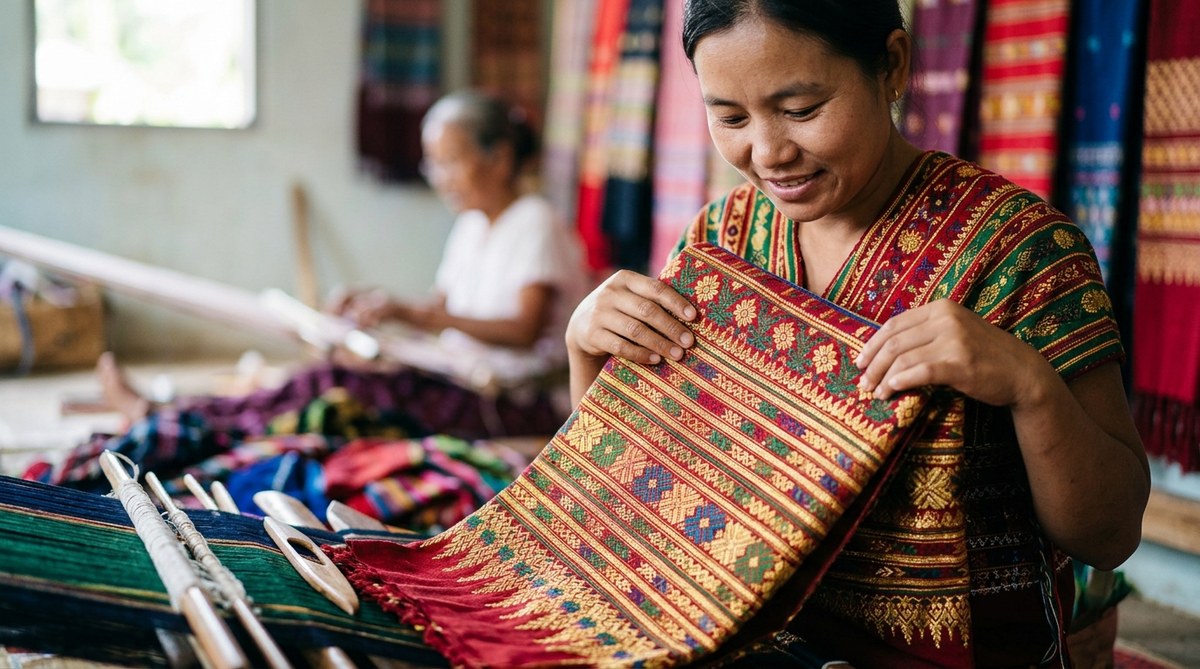
Myanmar’s traditional costumes are more than just clothing. They are living stories woven into the fabric of the nation’s history and identity. From the elegant longyi to intricate embroidery and symbolic accessories, each piece echoes centuries of cultural traditions and stories. For travelers and cultural enthusiasts, understanding these costumes offers a glimpse into Myanmar’s soul and its diverse ethnic tapestry. This guide will take you through the fascinating world of Myanmar traditional costumes and the stories they tell.
The Significance Behind Myanmar’s Traditional Costumes
Myanmar’s traditional attire reflects the country’s rich cultural diversity. The longyi, a versatile tube skirt worn by both men and women, is perhaps the most recognizable symbol of Myanmar’s cultural identity. Its styles, colors, and embroidery vary among ethnic groups, each telling a story about their history and environment.
Costumes are often worn during festivals, religious ceremonies, and special occasions. They serve as expressions of ethnic pride and social status. For example, the Mon people favor bright colors and floral patterns, while the Kachin prefer more subdued, embroidered designs. These variations highlight the country’s mosaic of traditions and histories.
“Traditional costumes in Myanmar are more than fashion. They are cultural narratives, preserving stories of resilience, artistry, and community that span generations.” — Myanmar cultural historian
A Closer Look at Popular Traditional Attire
Longyi: The Iconic Myanmar Skirt
The longyi is a piece of fabric wrapped around the waist, secured with a fold. Men typically wear a simpler, darker longyi, while women opt for colorful, often intricately patterned versions. The fabric can be cotton for daily wear or silk for more formal occasions.
Thanaka and Jewelry: Symbols of Beauty and Tradition
Complementing the longyi are accessories such as necklaces, earrings, and bangles. Thanaka paste, applied to the face, adds a decorative and protective element, signifying beauty and cultural identity.
Ethnic Costumes and Their Unique Features
Different ethnic groups showcase their histories through costumes:
- Bamar: The majority group wears simple yet elegant longyi and blouse combinations.
- Shan: Their traditional dress features a shawl called a “htamein” paired with a silk longyi.
- Kachin: Known for embroidered blouses and silver jewelry.
- Chin: Their costumes include woven textiles with geometric patterns and facial tattoos.
The diversity of attire tells stories of migration, adaptation, and preservation of unique cultural identities.
How to Experience Myanmar’s Traditional Costumes
If you’re visiting Myanmar, engaging with local artisans and participating in cultural festivals can deepen your understanding. Here are practical steps to immerse yourself:
- Visit local markets: Markets like Bagan’s Nyaung U Market or Yangon’s Scott Market offer authentic handmade costumes and accessories.
- Attend cultural festivals: The Thingyan Water Festival and Thadingyut Festival showcase traditional dress and performances.
- Take a workshop: Many artisans offer classes on weaving and embroidery, revealing the craftsmanship behind costumes.
- Respect cultural norms: Wear traditional attire during visits to temples and festivals to honor local customs.
Practical Process for Learning About Costumes
- Choose a local market or festival.
- Engage with artisans and ask about the significance of their designs.
- Observe and take photos respectfully.
- Consider purchasing a piece as a meaningful souvenir.
The Art of Weaving and Embroidery in Myanmar
Myanmar’s textile heritage is a vital part of its traditional costume stories. Techniques vary among regions, each with distinctive patterns and methods.
| Technique | Description | Common Mistakes |
|---|---|---|
| Hand Weaving | Using traditional looms to produce fabrics | Using synthetic fibers, uneven tension |
| Embroidery | Creating intricate designs with needle and thread | Overly tight stitches, inconsistent patterns |
| Batik and Tie-Dye | Applying wax or tying fabric for patterns | Over-application of wax, color bleeding |
Tips for Appreciating Myanmar’s Textile Art
“The textiles of Myanmar are a testament to generations of craftsmanship. Each pattern carries meaning, representing stories, beliefs, or local legends.” — Textile expert
Common Mistakes When Exploring Myanmar Costumes
- Assuming all costumes are the same across the country.
- Overlooking the significance of accessories and embroidery.
- Buying mass-produced, machine-made garments instead of handmade pieces.
- Not respecting local customs during traditional dress use.
Understanding these common pitfalls helps in appreciating the depth and significance of Myanmar’s costumes.
Stories Woven into the Fabric
Many traditional costumes carry stories of origin, resistance, and cultural survival. For example, the facial tattoos of the Chin people symbolize bravery and tribal identity. Similarly, the intricate embroidery of the Kachin reflects their history of craftsmanship and resilience.
During festivals, costumes come alive with dance and storytelling. These performances often reenact historical events or mythological tales, preserving oral histories and cultural values.
How Costumes Connect Past and Present
In recent years, Myanmar’s fashion scene has seen a revival of traditional elements. Modern designers incorporate traditional motifs into contemporary clothing, creating a bridge between generations.
This blending of old and new serves as a reminder that traditional costumes are dynamic, living expressions of culture that evolve yet retain their core stories.
Final Thoughts on Myanmar’s Cultural Heritage
Understanding Myanmar’s traditional costumes and stories enhances your appreciation of its rich, layered history. When you see a beautifully embroidered blouse or a vibrant longyi, remember the centuries of craftsmanship and stories woven into each thread.
Travelers can make meaningful connections by engaging with local artisans and participating in cultural events. Supporting traditional textile arts helps preserve these stories for future generations.
Celebrating Myanmar’s Living Cultural Tapestry
Myanmar’s traditional costumes are more than attire; they are vivid stories that embody the resilience, artistry, and diversity of its people. By respecting and embracing these cultural expressions, visitors and enthusiasts contribute to the preservation of Myanmar’s rich heritage. Keep an open mind, engage authentically, and cherish the stories woven into every piece you see. This approach ensures a meaningful experience that respects the depth of Myanmar’s vibrant culture.