
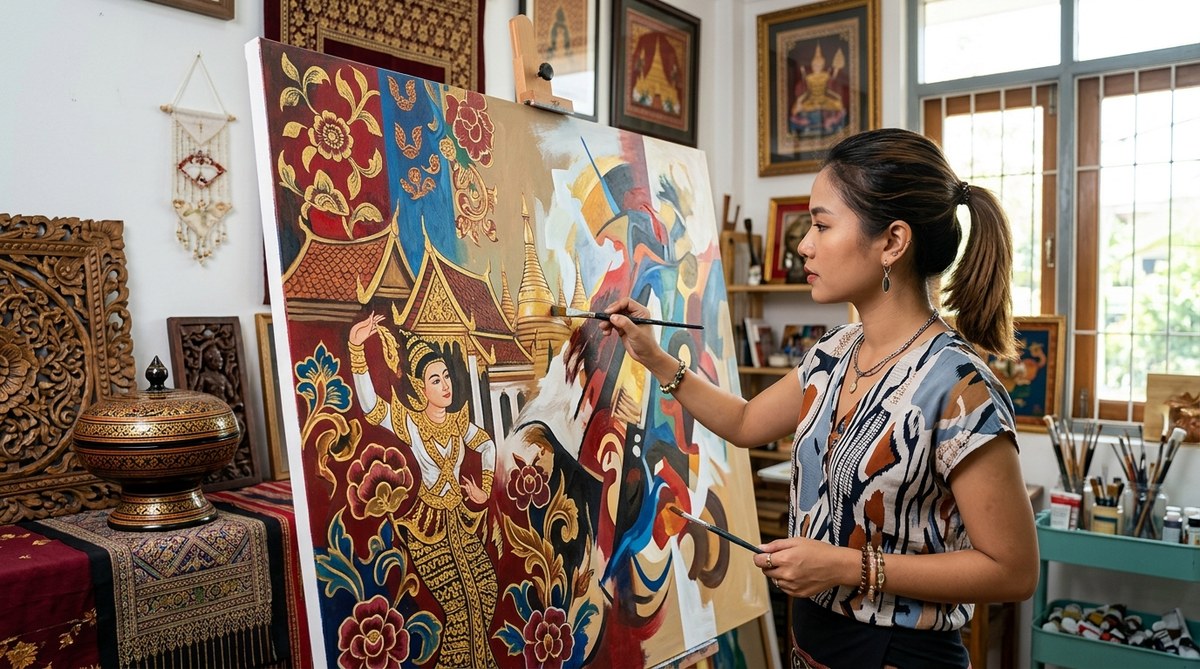
Myanmar’s rich artistic heritage weaves through every aspect of its cultural identity. Traditional art forms like lacquerware, textiles, and religious mural paintings have laid a foundation that continues to inspire contemporary artists. In recent years, Myanmar’s art scene has gained international recognition, showcasing a dynamic fusion of age-old techniques with modern expressions. Understanding these influences provides a window into the soul of Myanmar, revealing how its vibrant history shapes current artistic trends and cultural dialogues.
Traditional art forms as the backbone of Myanmar’s creative expression
Myanmar’s traditional arts are deeply rooted in its history, religion, and ethnic diversity. These art forms are not only aesthetic pursuits but also serve spiritual, social, and ceremonial purposes. For centuries, artisans have passed down skills that have become emblematic of Myanmar’s identity. Contemporary artists often draw inspiration from these techniques, reinterpreting them through new media and themes.
Key traditional art influences
- Lacquerware (Thayo): Known for its glossy finish and intricate designs, lacquerware has been a staple craft since ancient times. Modern artisans incorporate traditional motifs into contemporary home decor and art installations.
- Textile arts: Myanmar’s weaving traditions, such as the production of longyis and shawls using local patterns like the Shan or Mon designs, influence contemporary fashion and textile art.
- Buddhist mural painting: The vibrant murals found in ancient pagodas depict religious stories and serve as a visual language that continues to inform modern religious and secular artworks.
- Wood carving and sculpture: Architectural woodwork and religious statuary demonstrate mastery of craftsmanship, inspiring contemporary sculpture and installation art.
- Puppetry and performance arts: Traditional puppet shows and dance dramas encapsulate storytelling techniques that artists adapt into multimedia performances today.
How traditional art influences contemporary works
Many Burmese artists blend traditional motifs with modern themes, creating a dialogue between the past and present. This synergy strengthens cultural identity and enhances artistic innovation. For instance, a contemporary painter might incorporate traditional lacquer patterns into abstract compositions, or a textile artist might reinterpret ethnic weaving styles into contemporary fashion pieces.
Contemporary art scene shaped by Myanmar’s cultural heritage
Myanmar’s contemporary art movement has gained momentum over the past decade. Artists are increasingly recognized for their ability to merge traditional influences with global art trends. Galleries in Yangon and Mandalay often showcase works that reflect this cultural continuity.
The role of historical context
Myanmar’s political and social history profoundly impacts its art. Periods of colonial rule, independence, military dictatorship, and recent democratic reforms have all influenced themes and styles. Artists use their work to comment on identity, resistance, and hope.
Notable contemporary art influences
- Street art and graffiti: Emerging as a voice for youth and dissent, often referencing traditional symbols and motifs.
- Mixed media installations: Combining traditional crafts with contemporary materials to address social issues or explore cultural memory.
- Performance art: Incorporating dance, music, and ritual elements rooted in Myanmar’s spiritual traditions.
“Myanmar’s artists are adept at translating centuries-old symbols into modern narratives, making their work a living reflection of cultural resilience,” notes art historian Dr. Aye Chan.
Prominent Myanmar artists blending tradition and modernity
- Aung Myat Htay: Known for sculptures that fuse ancient motifs with contemporary forms.
- Maung Maung Gyi: A painter whose work combines traditional landscape painting techniques with modern abstract styles.
- Ma Thida: A multimedia artist exploring ethnic identity and social change through traditional symbols.
Practical ways to experience Myanmar’s artistic influences
For art enthusiasts, visiting Myanmar offers a unique opportunity to see traditional art forms firsthand and witness their impact on contemporary practices. Here are some steps to deepen your understanding and appreciation:
- Visit local galleries and museums: The National Museum of Myanmar and regional museums showcase traditional crafts and evolving contemporary artworks.
- Participate in workshops: Engage with master artisans in Bagan or Mandalay to learn lacquerware, weaving, or wood carving techniques.
- Attend cultural festivals: Events like Thingyan (Water Festival) often feature traditional performances, crafts, and art displays.
- Shop at artisan markets: Markets in Yangon and Inle Lake sell handcrafted textiles, jewelry, and artworks that embody Myanmar’s cultural influences.
- Follow artists and exhibitions: Many Burmese artists maintain social media profiles or participate in international shows, offering insights into their creative processes.
Techniques and common mistakes in traditional crafts
| Technique | Common Mistake | Tips for Preservation |
|---|---|---|
| Lacquerware application | Cracks in lacquer | Use proper layering and drying techniques |
| Weaving ethnic textiles | Color bleeding | Select appropriate dyes and fixatives |
| Murals painting | Overcrowding of motifs | Maintain balance and harmony in composition |
| Wood carving | Uneven cuts or splinters | Use sharp tools and proper technique |
| Puppetry design | Overly complex characters | Keep designs simple for ease of performance |
By understanding these techniques and their common pitfalls, artists and enthusiasts can better appreciate the craftsmanship behind Myanmar’s art.
Challenges and opportunities in preserving Myanmar’s artistic heritage
Myanmar’s traditional arts face threats from modernization, economic pressures, and political upheavals. Many artisans struggle to sustain their crafts amidst rising costs and limited markets. However, recent initiatives aim to preserve these practices through cultural programs, international collaborations, and digital platforms.
Advice from experts
“Supporting artisan communities is vital for keeping Myanmar’s cultural legacy alive. Encouraging contemporary reinterpretations ensures these traditions remain relevant,” advises cultural anthropologist Dr. Khin Maung Win.
How to support Myanmar’s traditional arts
- Patronize local artisans and buy authentic crafts.
- Promote traditional art forms through social media and exhibitions.
- Invest in training programs for young artists.
- Advocate for policies that protect cultural heritage sites and crafts.
- Collaborate with Myanmar’s artists on cross-cultural projects.
Myanmar’s artistic influences as a bridge to understanding its society
Traditional and contemporary art in Myanmar serve as mirrors of its societal values, struggles, and aspirations. They foster cross-cultural dialogue and provide a platform for civic engagement. Recognizing these influences enriches our appreciation of Myanmar’s complex history and vibrant future.
A pathway for cultural appreciation and preservation
Engaging with Myanmar’s traditional and contemporary art influences offers a meaningful way to connect with its culture. Whether through travel, collection, or collaboration, supporting these artistic expressions helps sustain Myanmar’s rich heritage for generations to come. By respecting craftsmanship and encouraging innovation, we contribute to a resilient cultural landscape that honors its past while embracing the future.
Celebrating Myanmar’s Artistic Continuum
Your journey into Myanmar’s art scene can be a rewarding experience. Engage with local communities, learn about their techniques, and share their stories. Every piece of art is a testament to resilience and creativity. Embrace this vibrant cultural mosaic, and let Myanmar’s traditional influences inspire your own creative pursuits.