
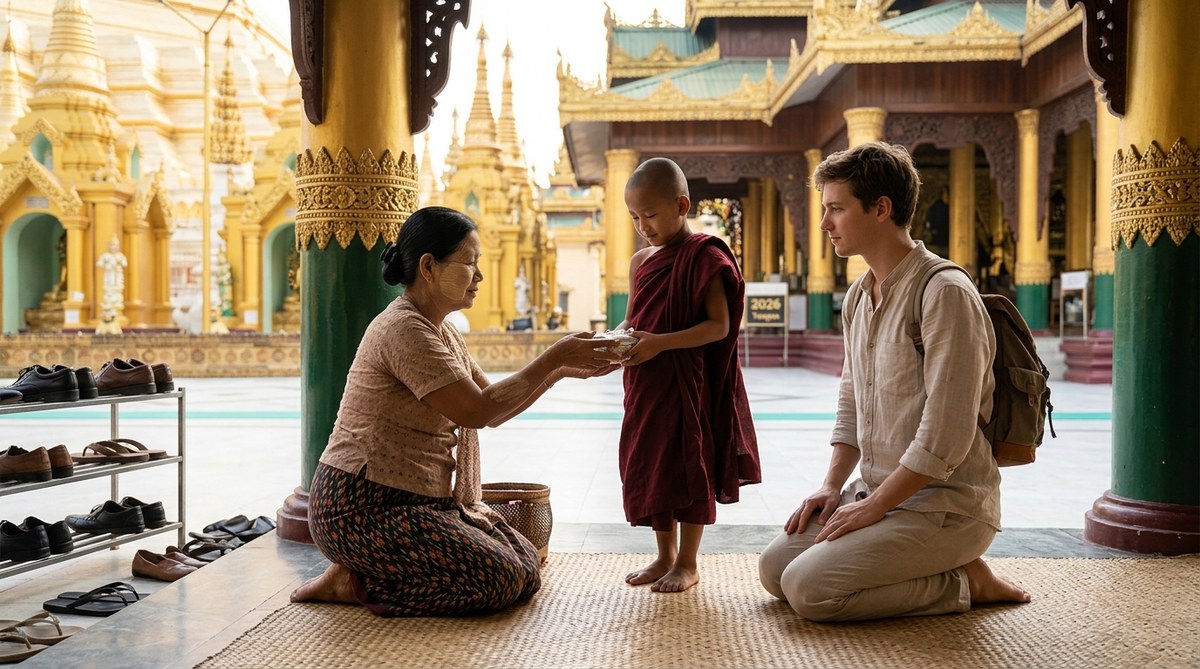
Traveling to Myanmar in 2026 offers a chance to experience a land rich in tradition, spirituality, and warm hospitality. To make the most of your trip and foster respectful interactions, understanding local customs and etiquette is key. Myanmar’s cultural practices are deeply rooted in Buddhism and community values, shaping everyday behaviors and social interactions. Being aware of these nuances not only enriches your experience but also shows respect for the people and their heritage. This guide provides practical advice on navigating Myanmar’s cultural landscape, ensuring your visit is both enjoyable and considerate.
Respect for local customs in Myanmar involves modest dress, removing shoes before entering sacred sites, showing humility when interacting with monks, and understanding social taboos. Being culturally aware in 2026 helps travelers connect authentically while avoiding unintentional offense.
Respecting Religious Sites and Practices
Myanmar is a deeply spiritual country where Buddhism profoundly influences daily life. Visiting temples, pagodas, and monasteries requires specific behaviors to honor the sacred environment.
Take off your shoes and socks
Always remove your footwear before entering temples, pagodas, or monasteries. Shoes are considered unclean, and leaving them outside shows respect. You may find designated shoe racks or areas near the entrance. Remember to wear socks or slippers if you prefer. When leaving, ensure your shoes are in good condition and placed neatly.
Dress modestly and appropriately
Conservative clothing is expected, especially at religious sites. Cover shoulders, avoid tight or revealing outfits, and wear long skirts or pants. Women should consider carrying a scarf to cover their shoulders if needed. Men should avoid sleeveless shirts in sacred places. Dressing modestly demonstrates respect and allows you to engage more comfortably in spiritual activities.
Be respectful to monks and nuns
Monks and nuns are highly revered in Myanmar. When interacting, address them politely using titles like “Sayadaw” for senior monks. Avoid touching their robes or head unless invited. If offering donations, do so with both hands as a sign of respect. When photographing monks, ask permission beforehand.
Avoid pointing your feet at sacred objects
Feet are considered impure in Myanmar. Do not point your feet toward Buddha images, monks, or people. When sitting, cross your legs away from sacred objects. If you accidentally do so, apologize politely.
Navigating Social Interactions and Etiquette
Understanding social norms helps prevent misunderstandings and fosters genuine connections.
Show humility and politeness
Myanmar values humility and respect. Use polite language, especially when addressing elders or authority figures. A simple “Mingalaba” (hello) is a respectful greeting. Bow slightly when greeting or thanking someone. Receiving or giving items with both hands is also customary.
Respect personal space and social distances
While Myanmar is warm and friendly, personal space norms differ from Western standards. Maintain a respectful distance and avoid overly physical contact during initial interactions. When in doubt, observe local cues.
Be mindful of gender roles
Gender interactions may follow traditional patterns. Men and women might not shake hands unless initiated. Women often bow slightly when greeting men. Respect local customs regarding gender-specific behaviors.
Gift giving and hospitality
Offering small gifts when visiting a local’s home is appreciated. Wrap gifts neatly and avoid overly expensive items, which may cause discomfort. Accept offers of food and drink graciously; refusing repeatedly can be considered impolite.
Practical Tips for Visitors
Here are steps to ensure respectful and smooth interactions during your trip:
- Learn basic phrases in Burmese like “Mingalaba” (hello) and “Chezu Tinban” (thank you).
- Dress modestly when visiting religious sites or rural areas.
- Remove shoes before entering temples and homes.
- Observe local customs regarding photography, especially with monks and sacred sites.
- Avoid public displays of affection in traditional settings, as they may be viewed as inappropriate.
- Respect local schedules and ceremonies; participate quietly and respectfully.
- Use respectful titles and polite language in all interactions.
- Be patient and humble in crowded or stressful situations.
Common Mistakes and How to Avoid Them
| Techniques to Follow | Mistakes to Avoid |
|---|---|
| Removing shoes when entering temples | Wearing sandals or slippers that are difficult to remove |
| Dressing conservatively in sacred places | Wearing sleeveless shirts or short skirts |
| Addressing monks with respect | Touching monks’ robes or head without permission |
| Offering donations with both hands | Giving or receiving items with one hand |
| Showing humility in speech and behavior | Boasting or displaying arrogance |
| Avoiding public affection | Engaging in overt romantic gestures in public |
“When visiting Myanmar, always remember that humility and respect are the foundation of good manners. Small gestures like bowing or using polite language go a long way in building trust and goodwill,” advises cultural expert Dr. Aung Min.
Embracing Myanmar’s Cultural Nuances in 2026
Myanmar’s customs may seem intricate, but they are designed to foster harmony and respect. Travelers who approach interactions with humility and curiosity are welcomed warmly. Remember that gestures of respect, modesty, and patience resonate deeply with locals. As Myanmar continues to open up and modernize, preserving these traditions remains vital. Being aware of the dos and don’ts helps you avoid unintentional offenses and creates meaningful connections.
Final thoughts for respectful travels
Approaching Myanmar with an open mind and a respectful attitude ensures your visit is enriching and enjoyable. Recognize that customs are not just rules but expressions of the country’s soul. By practicing these etiquette tips, you contribute to positive cultural exchanges and leave with genuine memories of a land that values tradition and community. Keep these insights handy as you plan your 2026 journey, and you will find yourself immersed in Myanmar’s warm and welcoming spirit.