
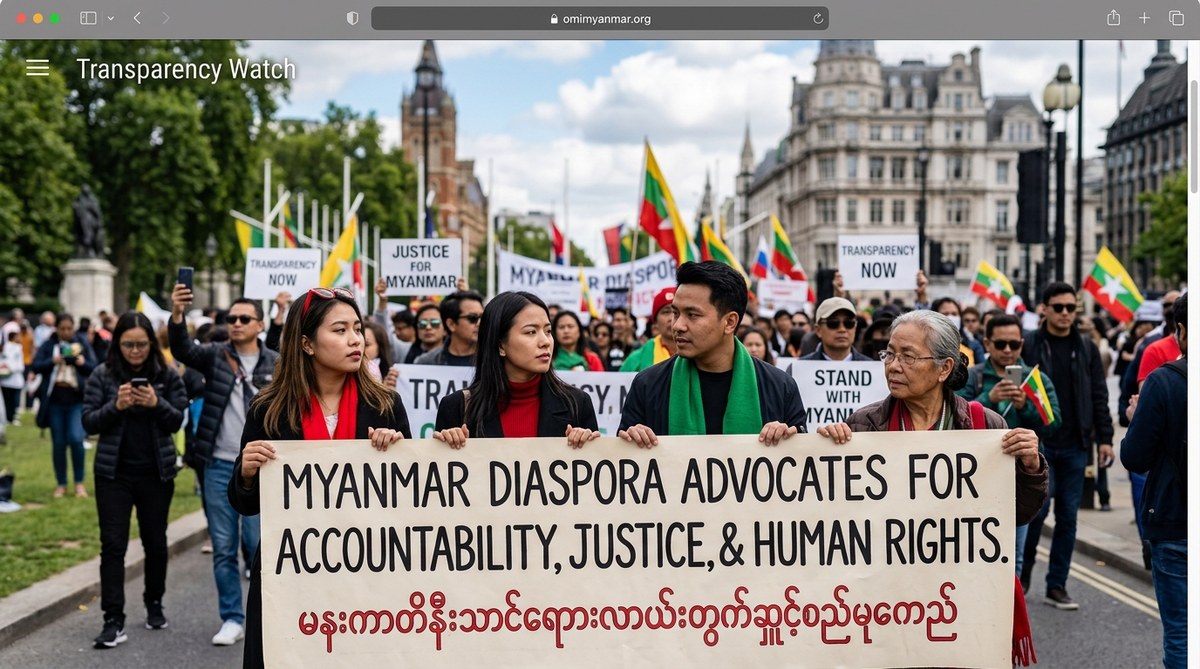
Myanmar’s struggle for democracy and accountability has drawn global attention. Over the years, Myanmar’s diaspora communities have become key players in advocating for political change, human rights, and transparency. Their efforts are not just about raising awareness but actively influencing international policies and supporting civil society back home. This movement showcases the power of overseas communities to shape their homeland’s future, despite the distance. Understanding these advocacy strategies reveals how collective action extends beyond borders, fueling Myanmar’s ongoing fight for democracy.
The importance of Myanmar diaspora advocacy in shaping change
Myanmar’s history is filled with periods of resistance against colonial rule, military juntas, and ongoing ethnic conflicts. The diaspora has always played a role in these struggles. Since the 2021 military coup, their activism has intensified, mobilizing resources, raising awareness, and pressuring governments worldwide. Their advocacy efforts are vital because they keep Myanmar’s issues visible on the global stage. They also serve as a bridge, connecting international support with grassroots movements within Myanmar.
How Myanmar diaspora communities are working from abroad
Many members of the diaspora are researchers, activists, and supporters dedicated to fostering accountability and strengthening democratic institutions. They employ various tactics to influence change, from lobbying foreign governments to supporting local civil society initiatives. Their activities include organizing protests, funding independent media, and creating platforms for dialogue. These efforts help sustain the momentum of Myanmar’s pro-democracy movement even when internal political space is limited.
Practical steps for diaspora advocacy
- Educate and inform: Share accurate information about Myanmar’s political situation through social media, webinars, and community events. Raising awareness builds global understanding and support.
- Engage with policymakers: Reach out to foreign governments, international organizations, and diplomatic channels to advocate for targeted sanctions, human rights investigations, and diplomatic pressure.
- Support grassroots movements: Fund and partner with local NGOs, student groups, and community leaders working on accountability projects within Myanmar. This creates a direct line of support for those risking their safety to push for change.
Key tactics used by the Myanmar diaspora
- Lobbying: Coordinating with foreign officials to press for sanctions against military leaders and promote diplomatic solutions.
- Digital activism: Utilizing social media campaigns and online petitions to mobilize international attention.
- Remittances and aid: Sending financial support to civil society organizations and families affected by conflict.
- Legal advocacy: Supporting international legal actions against human rights violations.
Challenges faced by overseas advocates
Despite their dedication, diaspora groups encounter obstacles such as limited access to Myanmar, government surveillance, and political divisions. Misinformation and language barriers can also hinder outreach efforts. To overcome these, they often collaborate across borders, forming coalitions with other ethnic and political groups. Maintaining unity and protecting the identities of activists inside Myanmar remain critical.
Techniques and mistakes in diaspora advocacy
| Technique | Mistakes to Avoid |
|---|---|
| Building international coalitions | Overlooking local voices and expertise |
| Using digital platforms effectively | Relying too much on social media without strategic planning |
| Funding grassroots projects | Donating without due diligence on organization accountability |
| Engaging policymakers through advocacy | Ignoring cultural sensitivities or political nuances |
“Global advocacy is powerful, but it must be rooted in local realities. Supporting Myanmar’s civil society means respecting their voices and needs,” emphasizes Dr. Aung Min, a Myanmar human rights expert.
The role of the diaspora in promoting transparency and accountability
Many members of the Myanmar diaspora are committed to transparency initiatives. They work to expose corruption, support independent journalism, and promote the rule of law. These efforts are crucial because they help build trust and resilience in Myanmar’s institutions. By sharing best practices and fostering civic engagement, the diaspora contributes to long-term democratic development.
Practical processes for effective advocacy
- Research and understand: Study Myanmar’s legal and political landscape to craft informed advocacy strategies.
- Network with allies: Join international human rights networks and advocacy groups to amplify your voice.
- Use data and evidence: Support claims with credible reports, eyewitness accounts, and legal documents.
- Monitor and evaluate: Regularly assess the impact of your actions and adapt strategies accordingly.
Common pitfalls to avoid
- Relying solely on emotional appeals rather than factual evidence.
- Ignoring the importance of cultural context.
- Failing to protect activists’ identities.
- Overlooking the importance of long-term engagement.
How to stay connected and make a difference
Advocacy is a continuous effort. Whether you are a researcher, activist, or member of the diaspora, staying informed and connected is vital. Participating in online forums, attending webinars, or joining local diaspora groups can strengthen your influence. Collaborate with other communities to share resources and strategies. Small, consistent actions often lead to meaningful change.
Building a resilient and united diaspora movement
Unity among diaspora communities enhances their impact. Forming coalitions across ethnic, religious, and political lines fosters a broader support network. Sharing success stories and lessons learned encourages resilience. It’s also important to protect activists and vulnerable groups from repression. Training and capacity building can equip community members with skills to navigate complex political environments.
Final thoughts: Turning advocacy into lasting change
Myanmar’s future depends on the persistent efforts of its diaspora. Their advocacy efforts demonstrate that distance does not diminish the power of collective action. By leveraging international platforms, policy influence, and grassroots support, they help keep Myanmar’s struggle alive on the global stage. Each action, no matter how small, contributes to a larger movement for justice and democracy.
Myanmar diaspora advocacy as a beacon of hope
Active overseas communities are vital in shaping Myanmar’s path toward accountability. Their work sustains hope and resilience among those fighting inside Myanmar. If you are part of this movement, remember that your voice matters. Consistent, strategic efforts can create ripples of change that reach far beyond borders. Together, they form a powerful force for a democratic Myanmar.
By understanding and supporting diaspora advocacy efforts, researchers and activists can foster a more connected and impactful movement. Whether through education, policy engagement, or grassroots support, your involvement can help build the future Myanmar deserves. Keep collaborating, stay informed, and continue to champion accountability from abroad.