
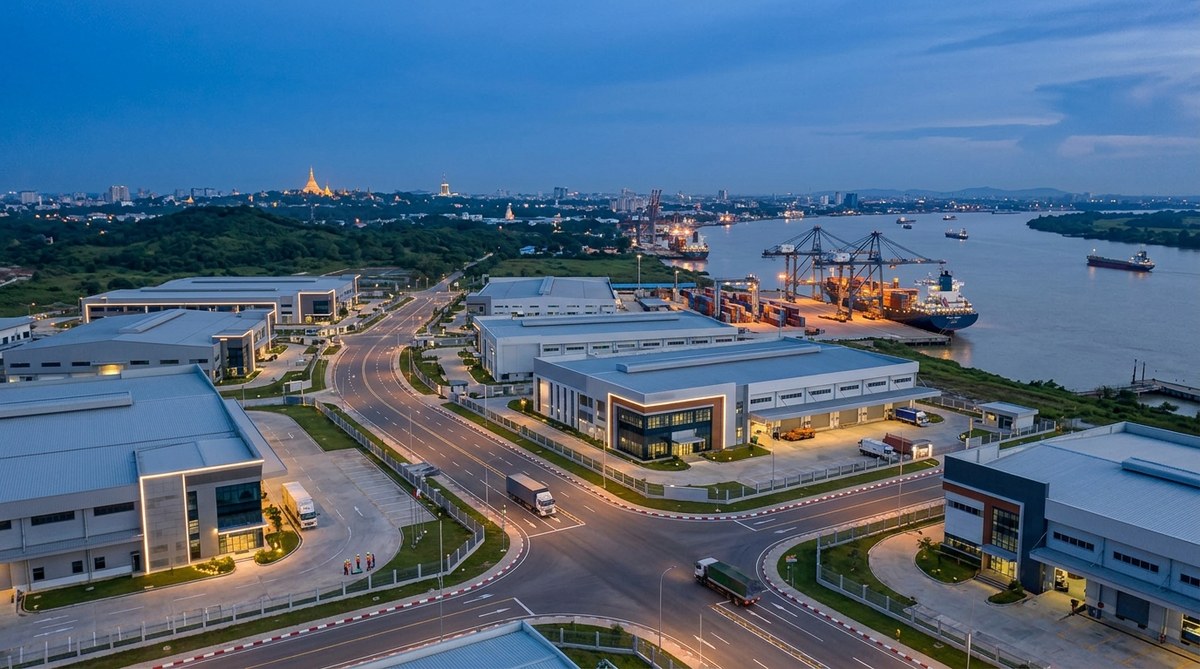
Foreign investment in Myanmar has a complicated history, but one part of the story keeps drawing serious attention from global businesses: the country’s Special Economic Zones. These designated areas offer something rare in today’s global economy. They combine strategic geography with incentive packages designed to attract manufacturing, logistics, and export-oriented industries. For anyone weighing opportunities in Southeast Asia, understanding how these zones work and what they actually deliver is essential.
Myanmar’s Special Economic Zones offer foreign investors a structured entry point with tax holidays, streamlined customs, and land lease options. While the operating environment carries real risks, the zones provide clearer regulatory frameworks than the rest of the market. Success depends on choosing the right zone, understanding local rules, and building strong compliance systems from day one.
What Makes Special Economic Zones Different in Myanmar
Myanmar established its Special Economic Zones to do something specific: create islands of industrial efficiency in a country where infrastructure and bureaucracy often slow things down. The zones operate under their own legal framework, the Myanmar Special Economic Zone Law, which grants them autonomy over customs, labor rules, and investment approvals.
The three main zones you need to know about are Thilawa, Kyaukphyu, and Dawei. Each serves a different purpose and sits in a different part of the country.
Thilawa is the most developed and commercially active. It sits just south of Yangon, right on the river, making it ideal for light manufacturing, assembly, and consumer goods. Kyaukphyu, on the west coast in Rakhine State, is tied to oil and gas pipelines that connect to China. Dawei, in the far south, is still in early stages but aims to become a massive industrial hub linking to Thailand and the Indian Ocean trade routes.
For foreign investors, the zones offer something the rest of Myanmar’s economy cannot always guarantee: predictability. Land leases are clearer. Tax incentives are spelled out. Import and export procedures follow a single window system rather than multiple agencies.
Incentives That Actually Matter for Your Bottom Line
Let’s talk numbers. The incentive packages vary by zone and by the type of investment you bring, but here is what most qualified investors can expect.
Tax holidays and reductions
– Income tax exemption for up to 7 years depending on the zone and project type
– 50 percent reduction on income tax for the next 5 years after the exemption period
– Exemption from customs duties on machinery, raw materials, and equipment
– Relief from commercial tax on exported goods
Land and infrastructure
– Long term land leases ranging from 50 to 75 years, renewable
– Ready built factory shells available for lease in Thilawa
– On site utilities including reliable electricity, water treatment, and fiber optic internet
Labor and operations
– Simplified work permit processes for foreign staff
– Permission to hire foreign workers in skilled roles where locals are not available
– Single window customs clearance that cuts import delays significantly
These incentives are not automatic. You need to apply for them, and the approval process requires a solid business plan. But compared to the standard investment environment in Myanmar, the zones offer a much cleaner path.
The Three Zones Compared
Each zone has a different character and fits different kinds of investors. Here is a side by side look.
| Zone | Location | Infrastructure Level | Best For | Key Challenge |
|---|---|---|---|---|
| Thilawa | Near Yangon | Advanced, operational | Manufacturing, logistics, consumer goods | Limited land availability in phase 1 |
| Kyaukphyu | Rakhine State | Moderate, expanding | Energy, petrochemicals, bulk storage | Security concerns in the region |
| Dawei | Tanintharyi Region | Early stage, under development | Heavy industry, port hub, large scale manufacturing | Long timeline, funding gaps |
Thilawa is the safest bet for most first time investors. It has been running since 2015, has over 100 tenants, and includes companies from Japan, Singapore, Thailand, and Europe. The Myanmar Japan Thilawa Development Company manages the zone, and they maintain high standards for infrastructure and governance.
Kyaukphyu makes sense if your business connects to energy markets or China’s Belt and Road supply chains. The deep sea port and pipeline terminals are already operational. But the zone sits in an area with ongoing conflict, so due diligence on security is non negotiable.
Dawei is for patient capital. The vision is enormous, a 200 square kilometer industrial estate with a deep sea port, highway to Thailand, and support for heavy industries like steel and chemicals. But progress has been slow, and the project has faced financing delays.
How to Enter a Zone: A Step by Step Process
If you decide a Special Economic Zone fits your strategy, here is the practical sequence to follow.
-
Select your zone and project type. Match your industry to the zone’s strengths. Talk to the zone management team early. They will tell you whether your project qualifies for priority status.
-
Prepare your investment proposal. You need a detailed business plan that covers financial projections, environmental impact, labor needs, and export plans. The Myanmar Investment Commission requires this for all zone applicants.
-
Submit to the zone management committee. Each zone has its own approval body. They review your proposal against eligibility criteria. This process usually takes 30 to 60 days.
-
Receive your permit and register your company. Once approved, you get a zone permit. Then you register your business with the Directorate of Investment and Company Administration. Your permit covers tax incentives and land rights.
-
Sign your land lease agreement. Leases are typically 50 years with renewal options. You can lease raw land or ready built factories. Thilawa offers both.
-
Begin construction or operations. After lease signing, you start building or moving into your facility. The zone management handles utilities connections and permits for construction.
-
Apply for customs and tax benefits separately. Do not assume incentives are automatic. Submit the paperwork for duty exemptions and tax relief to the relevant ministries. Your zone management can guide you.
This process is more structured than setting up outside the zones. That is actually a good thing. It reduces ambiguity.
Risks You Cannot Ignore
No honest guide to Myanmar Special Economic Zones would skip the hard parts. Foreign investment in Myanmar carries real risks in 2026, and the zones do not make those risks disappear.
Political uncertainty remains the biggest factor. Myanmar’s governance situation is fragile. Policy shifts happen. Sanctions from the US, EU, and other partners affect certain sectors. You need legal counsel who understands both international sanctions law and Myanmar’s domestic regulations.
Currency controls are another hurdle. The kyat is not freely convertible. Moving money in and out of Myanmar requires approval from the Central Bank. Zone investors get some flexibility, but you still need a plan for repatriating profits.
Infrastructure gaps persist even inside the zones. Thilawa is reliable. Kyaukphyu and Dawei have power and water issues. If your operation needs consistent electricity, factor in backup generation.
Labor availability is mixed. Myanmar has a young workforce, but skilled labor is scarce in technical fields. You may need to train workers from scratch. Some zones offer training centers, but budget for this.
“The biggest mistake I see from first time investors is assuming the zones operate like a Singapore or Malaysia industrial park. They do not. The infrastructure is solid, but the surrounding environment is unpredictable. You need local partners, good lawyers, and a contingency budget that is at least 20 percent above your estimate.” Senior investment advisor, Yangon, 2026
Building a Smart Entry Strategy
If you want to move forward, here are the actions that separate successful zone investors from those who struggle.
- Partner with a local firm that has zone experience. They know the approval process and the personalities involved.
- Hire a law firm with sanctions expertise. This is not optional. The sanctions landscape changes often, and getting it wrong can freeze your assets.
- Visit the zone in person before signing anything. Walk the land. Talk to existing tenants. Check the power and water yourself.
- Negotiate your lease terms carefully. Renewal options, escalation clauses, and exit provisions all matter.
- Plan for currency risk. Structure your contracts in US dollars where possible, and talk to banks about hedging options.
For more context on how the broader regulatory environment has shifted, read about foreign investment regulations in Myanmar after 2021. It covers the legal changes that affect all foreign businesses, not just zone investors.
Sectors with the Most Potential Right Now
Some industries are better suited to the zones than others. Based on current demand and zone capabilities, these sectors stand out.
Garment and textile manufacturing is already well established in Thilawa. Myanmar offers competitive labor costs and preferential trade access to Europe and Japan. Brands looking to diversify away from China and Bangladesh are paying attention.
Food processing is underdeveloped but growing. Myanmar is a major producer of rice, pulses, seafood, and fruit. Setting up processing and packaging inside a zone gives you export advantages.
Logistics and warehousing makes sense if you want to serve the Mekong region. Thilawa’s river port connects to the Andaman Sea, and the road corridor to Thailand is improving.
Renewable energy manufacturing is a newer opportunity. Myanmar has strong solar and wind resources, and the government has signaled interest in domestic production of panels and components.
For a broader look at where smart money is moving, the guide on 5 profitable industries for international businesses entering Myanmar offers more detail.
Due Diligence Checklist Before You Commit
Before you transfer a single dollar, run through this list.
- Has your legal team reviewed the zone’s master plan and lease template?
- Do you understand the tax incentive approval process for your specific project?
- Have you verified that your home country’s investment treaty with Myanmar covers zone investments?
- Is your supply chain resilient to border delays and port issues?
- Have you budgeted for at least 6 months of operating expenses in local currency?
- Do you have an exit strategy if the political situation deteriorates?
Keeping Up with Compliance and Transparency
Myanmar’s zones are more transparent than the general economy, but corruption and opacity still exist. The Myanmar Investment Commission publishes some data, but not all. You need to build your own compliance systems.
One way to stay ahead is to follow how international watchdogs are monitoring Myanmar’s governance reforms in 2026. This will help you align your reporting with emerging standards.
Labor practices inside the zones have also drawn scrutiny. International brands that source from Thilawa face pressure to ensure fair wages and safe working conditions. If you export to European or North American markets, expect audits. The guide on understanding Myanmar’s labor market will help you set realistic hiring expectations.
Your Next Move in Myanmar’s Special Economic Zones
The zones offer a genuine opportunity for foreign investors who come prepared. Thilawa is proven. Kyaukphyu has strategic value. Dawei holds long term promise. None of them are risk free, but they are the most structured entry points Myanmar offers.
Start with a site visit. Talk to the zone management. Hire local legal counsel. Build your business plan around the incentives, but do not depend on them entirely. Treat the zone as a tool, not a guarantee.
For more practical guidance on getting your team on the ground, read about what international professionals need to know about working in Yangon. It covers visas, housing, banking, and daily life for foreign staff.
Myanmar is a tough market. But for investors who do the homework, build strong local relationships, and stay disciplined about compliance, the Special Economic Zones remain one of the most viable pathways into one of Southeast Asia’s last frontier economies.