
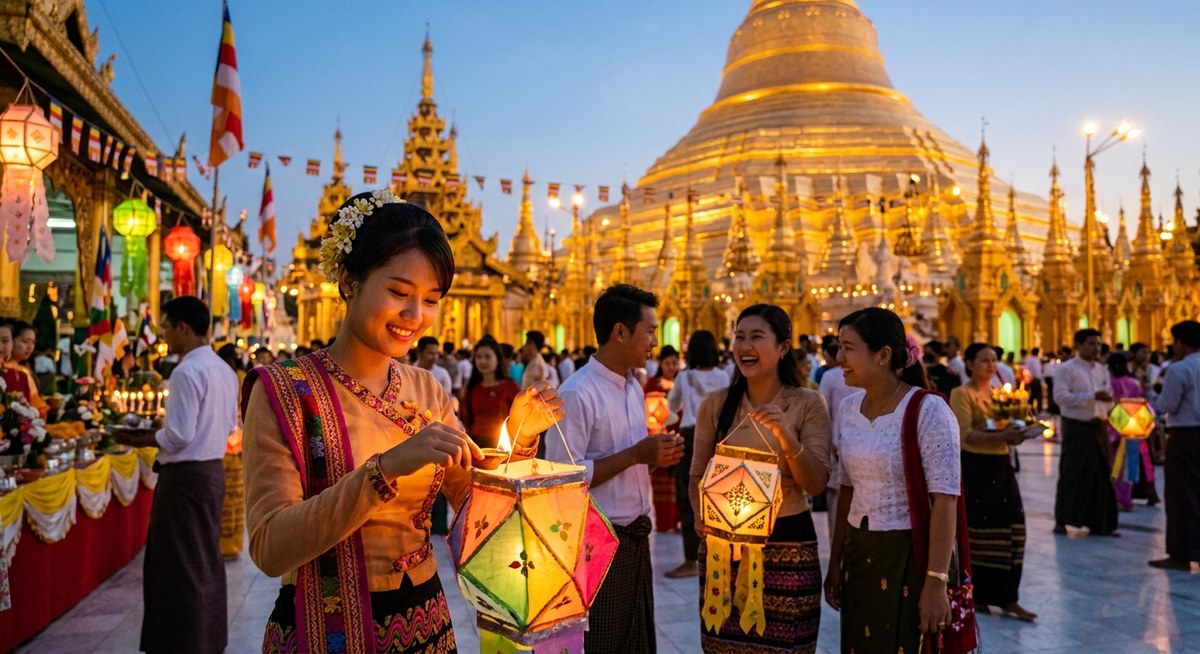
Myanmar’s festivals are a lively reflection of the country’s rich cultural tapestry. Each celebration is an invitation to witness the deep-rooted traditions, religious practices, and community spirit that define Myanmar. These festivals are not only vibrant events but also meaningful expressions of history, faith, and social bonds. Whether you are a traveler eager to experience authentic cultural moments or a curious explorer seeking to understand Myanmar beyond its temples and landscapes, delving into its festival traditions offers invaluable insights and unforgettable memories.
Myanmar’s festival traditions are vibrant celebrations woven into the fabric of daily life. They showcase religious devotion, seasonal change, and community cohesion, making them essential experiences for anyone seeking a genuine connection with Myanmar’s culture.
Understanding the Heart of Myanmar’s Festival Traditions
Myanmar’s festival calendar is packed with events that span the entire year. These celebrations often reflect Buddhist beliefs, local customs, and seasonal changes. Participating in these festivals not only enriches your understanding of Myanmar’s cultural identity but also provides practical opportunities to connect with locals and witness age-old rituals firsthand.
The most prominent festivals are tied to the Buddhist lunar calendar, ensuring that their dates shift slightly each year. Many festivals serve religious purposes, such as offerings and prayers, while others are marked by lively processions, traditional dance, music, and communal feasts. These events foster a sense of unity and shared heritage among diverse communities across Myanmar.
Major Myanmar Festival Traditions and Their Cultural Significance
1. The Water Festival of Thingyan
The Thingyan Water Festival, celebrated in April, marks Myanmar’s New Year and is perhaps the most iconic event. It symbolizes cleansing and renewal, with communities splashing water on each other to wash away bad luck and sins. Streets come alive with music, dance, and water fights, creating a joyful atmosphere that invites participation from all ages.
During Thingyan, people visit pagodas to make offerings and listen to monks’ chants. Traditional performances, including singing and dancing, fill the air. Travelers often find themselves caught up in the festive spirit, experiencing firsthand the importance of community and renewal in Myanmar’s spiritual life.
2. Thadingyut Festival of Lights
Held in October, Thadingyut celebrates the end of Buddhist Lent. It is a festival of lights, where homes, temples, and streets are decorated with lanterns and candles. The lighting symbolizes the return of Buddha from heaven, and Myanmar people express their gratitude through prayers and offerings.
This festival is also a time for family reunions and paying homage to elders. Visitors can enjoy cultural performances and observe the reverence Myanmar shows for its spiritual heritage. The Thadingyut celebrations reveal the importance of light as a symbol of wisdom and enlightenment.
3. Tazaungdaing and the Hot Air Balloon Festival
Taking place in November, Tazaungdaing is famous for its robe offerings to monks and the colorful hot air balloons that fill the sky over Taunggyi. The festival celebrates the end of the rainy season and the full moon of the Tazaungmone lunar month.
Participating in the robe offering ceremony at local pagodas is a meaningful experience. The balloon festival adds a spectacular visual element, with intricately decorated balloons launched at night, illuminating the night sky. It signifies hope, community spirit, and the joy of giving.
4. Kason and the Watering of the Bo Tree
Kason, observed in May, commemorates the Buddha’s enlightenment. It is marked by bathing sacred trees and making offerings at temples. People pour water over the Bo Tree, symbolizing the spreading of wisdom and compassion.
This festival emphasizes reflection and spiritual growth. Many travelers join in the ritual bathing, which is believed to bring merit. It highlights the deep connection between religious devotion and community participation in Myanmar’s tradition.
5. Phaung Daw Oo Festival at Inle Lake
Held in September, this festival centers around the Phaung Daw Oo Pagoda and its revered Buddha images. It features boat processions on Inle Lake, with decorated vessels sailing through the water as monks and devotees participate in ceremonies.
The festival is a lively spectacle of religious processions, traditional music, and dance. It offers a glimpse into the unique blend of spiritual and cultural life among the Intha people. Attending this event deepens appreciation for Myanmar’s diverse regional customs.
Practical Tips for Engaging with Myanmar Festival Traditions
How to Participate Respectfully
- Dress modestly. Cover shoulders and knees especially during religious events.
- Follow local customs. When offering prayers or making offerings, observe proper etiquette.
- Be respectful. During religious ceremonies, maintain silence and avoid disruptive behavior.
- Join in community activities. Many festivals welcome visitors to participate, but always ask for permission beforehand.
- Capture memories thoughtfully. Taking photos is common, but respect sacred spaces and ask before photographing individuals.
1. Plan Your Visit Around Festival Dates
Festivals like Thingyan or Thadingyut are scheduled according to the lunar calendar. Checking the dates well in advance ensures you can witness these vibrant events. Local tourism offices or cultural centers often publish festival schedules.
2. Learn Basic Phrases in Burmese
Greeting locals with a simple “Min-ga-la-ba” (Hello) or expressing gratitude enhances your experience. Many Myanmar people appreciate visitors making an effort to connect through language.
3. Respect Religious Sites and Practices
Remove shoes before entering pagodas and monasteries. Avoid pointing your feet at sacred objects and speak softly. These gestures show reverence and foster positive interactions.
4. Support Local Artisans and Vendors
Festivals are opportunities to buy handmade crafts, textiles, and traditional snacks. Supporting local producers helps preserve Myanmar’s artisanal crafts and enriches your souvenirs.
5. Be Flexible and Patient
Festival crowds can be lively and unpredictable. Embrace the chaos, enjoy spontaneous performances, and remain patient. This attitude allows you to enjoy genuine moments of cultural authenticity.
| Technique | Mistake to Avoid |
|---|---|
| Participating respectfully | Disrupting religious or community activities |
| Learning simple phrases | Ignoring local customs or dress codes |
| Engaging in traditional rituals | Taking photos without permission |
| Supporting artisans locally | Buying counterfeit or cheaply made souvenirs |
| Being adaptable | Complaining about crowded or noisy events |
“Approaching Myanmar festivals with respect and curiosity creates meaningful connections. Always remember that these events are expressions of faith and community, not just spectacles.” – Cultural expert
Festivals as Living Traditions
Myanmar festival traditions are not relics of the past but vital parts of community life today. They serve to reinforce social bonds, express faith, and celebrate seasonal changes. Participating in these festivals allows travelers to witness the warmth, spirituality, and resilience of Myanmar’s people.
Practical Steps To Enjoy Myanmar’s Festivals
- Research event dates and locations. Local tourism websites or your accommodation hosts can provide updates.
- Respect local customs and dress appropriately. Modest attire and respectful behavior are appreciated.
- Join community activities. Whether it’s a water fight, lantern lighting, or boat procession, participation enhances your experience.
- Support local artisans. Buy handcrafts and traditional foods during festivals.
- Capture memories thoughtfully. Respect sacred moments and ask permission before photographing individuals.
By immersing yourself in Myanmar’s festival traditions, you gain a deeper understanding of its culture and forge genuine connections. These celebrations showcase the country’s vibrant spirit and enduring faith, making your journey both meaningful and memorable.
Celebrating Tradition and Community
Myanmar’s festival traditions are more than just colorful events. They are expressions of faith, history, and social cohesion that have endured for centuries. Participating respectfully in these celebrations offers a window into the soul of Myanmar and its people.
As you plan your travels, consider timing your visit to coincide with key festivals. Engaging with locals during these times can transform your trip into an authentic cultural adventure. Remember, the true essence of these festivals lies in community participation and shared joy.
Wishing you a journey filled with vibrant sights, heartfelt interactions, and lasting memories of Myanmar’s rich festival traditions. Embrace the spirit of celebration, and let Myanmar’s cultural heartbeat guide your exploration.