
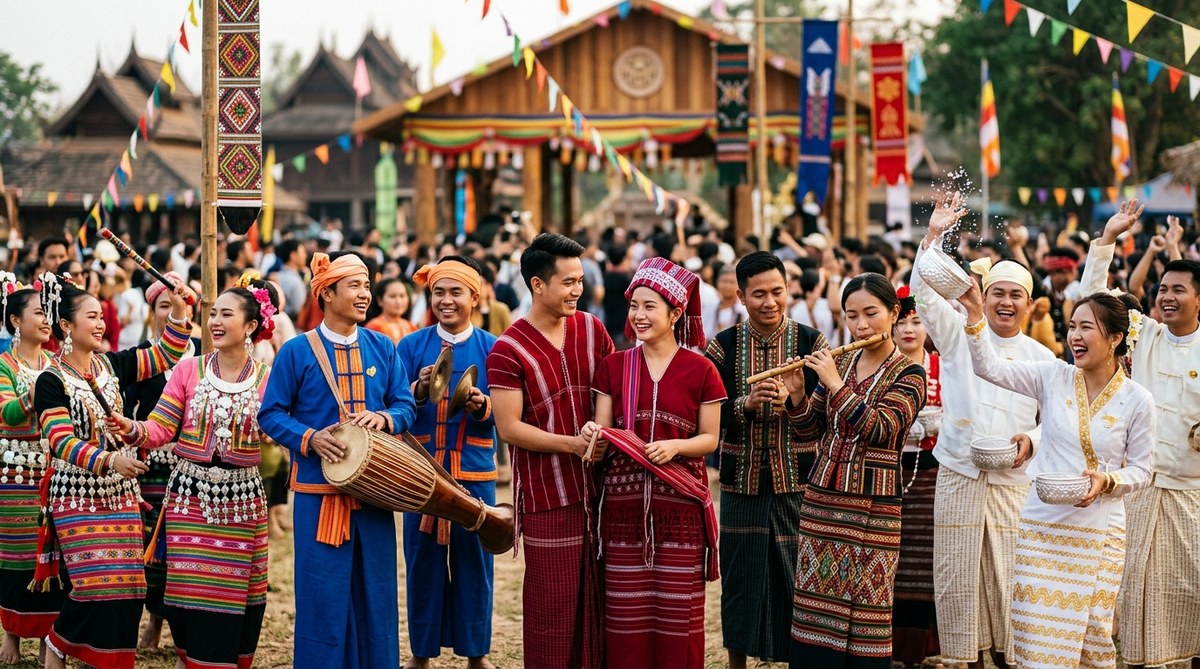
Myanmar is a land of incredible cultural diversity. Its ethnic minorities each have their own ways of welcoming the New Year, reflecting centuries of tradition, history, and local customs. These celebrations are more than just festivals; they are expressions of identity, community bonds, and spiritual beliefs. Understanding how Myanmar’s ethnic groups mark this special time reveals the country’s rich tapestry of heritage and the resilience of its diverse cultures.
Myanmar’s ethnic minorities celebrate the New Year through unique traditions that showcase their cultural identities. These festivities involve colorful rituals, traditional dances, community gatherings, and spiritual ceremonies, reflecting Myanmar’s rich diversity and resilience across different regions and communities.
Different Ethnic Groups and Their New Year Traditions
Myanmar’s population comprises several major ethnic groups, each with distinct ways of observing the New Year. These celebrations are rooted in local customs, lunar calendars, and spiritual beliefs, making each one a window into the community’s history. Here are some of the key groups and their festive practices.
The Karen People and Their Festivities
The Karen, Myanmar’s third-largest ethnic group, celebrate their New Year with vibrant dance performances and communal feasts. Their festivities often coincide with the end of the rice harvest, symbolizing gratitude and renewal. In towns like Hpa-An, the celebrations include traditional music, boat races, and offerings to spirits. These events serve as a reminder of the community’s resilience amid ongoing conflicts and their desire to preserve cultural identity.
The Shan Communities and Water Festival
The Shan, predominantly living in eastern Myanmar, mark their New Year with the famous water festival called Thingyan. Similar to the broader Myanmar water festival, Shan communities add local elements like traditional music, dance, and religious rites. People splash water on friends and family, symbolizing cleansing and the washing away of bad luck. This festival often lasts several days, emphasizing community bonding and renewal.
The Chin People and Their Cultural Expressions
The Chin, residing mostly in the mountainous regions of western Myanmar, observe their New Year with unique rituals centered around ancestral spirits. They perform traditional dances, wear handwoven garments, and participate in community prayers. Many Chin communities also hold storytelling sessions that recount their history and legends, reinforcing cultural continuity in the face of modernization.
The Mon and Their Religious Ceremonies
In southern Myanmar, the Mon people celebrate their New Year with religious ceremonies at pagodas and monasteries. Offerings of food and flowers are made to Buddha images, and monks lead prayers for prosperity and protection. The Mon also host traditional dance and music performances, blending spiritual observance with cultural festivities that strengthen community ties.
The Kachin and Their Harvest Festivals
In the Kachin State, the New Year coincides with the Manaw Festival, a celebration of the rice harvest. The festival features traditional Kachin dance, music, and colorful attire. Community members gather to give thanks, perform rituals to honor spirits, and share meals. These festivities highlight the importance of agriculture and spiritual harmony in Kachin culture.
Practical Steps to Experience Myanmar’s Ethnic Minorities New Year Celebrations
If you plan to witness these vibrant festivities firsthand, here are some practical steps to ensure a meaningful experience:
-
Research Local Dates and Customs
The dates for New Year celebrations vary among communities, often based on lunar calendars. Check regional calendars and community schedules to time your visit accordingly. -
Respect Local Traditions and Practices
Observe rituals with reverence. Dress modestly, ask permission before taking photos, and participate humbly in community activities. -
Visit Community Events and Festivals
Attend local festivals, markets, and religious ceremonies. Many communities welcome visitors and are eager to share their traditions. -
Learn Basic Cultural Etiquette
For example, greet elders with respect, use your right hand or both hands when giving offerings, and avoid disruptive behavior during sacred rituals. -
Support Local Artisans and Performers
Purchase handmade crafts, textiles, and participate in cultural workshops. This supports community livelihoods and deepens your understanding of local traditions.
Scanning Highlights of Myanmar’s Cultural Celebrations
- Community dances and music performances
- Traditional water splashing during Thingyan
- Offerings at temples and shrines
- Handwoven clothing and textile displays
- Harvest rituals and feasts
Techniques and Common Mistakes in Participating
| Techniques | Mistakes to Avoid |
|---|---|
| Observe rituals quietly and respectfully | Taking photos during sacred ceremonies without permission |
| Dress modestly in local attire | Disrupting community activities or ceremonies |
| Engage with locals through simple greetings | Ignoring local customs or showing disrespect |
| Support local artisans and vendors | Buying counterfeit or low-quality crafts |
| Participate with humility and openness | Overstepping boundaries or acting presumptuously |
“Participating in Myanmar’s ethnic minorities’ New Year festivities offers a genuine window into their cultural soul. Showing respect and openness enriches your experience and fosters meaningful connections,” advises cultural anthropologist Dr. Aye Thant.
Preserving Traditions Amid Modern Changes
While modernization and political changes influence Myanmar’s communities, their New Year traditions remain vital. Many groups actively work to preserve their customs, passing them down through generations despite external pressures. Festivals often serve as moments of cultural reaffirmation, strengthening community bonds and identity.
In some regions, younger generations incorporate modern elements into traditional celebrations, blending old and new. This adaptation ensures their cultural practices remain relevant and vibrant in a changing world.
How Cultural Diversity Enriches Myanmar’s Identity
Understanding how Myanmar’s ethnic minorities celebrate the New Year underscores the country’s rich cultural mosaic. These festivities showcase how communities maintain their unique identities while contributing to the national fabric. They also highlight the importance of respecting and preserving diverse traditions, especially in a nation striving for unity amid complexity.
Travelers and researchers can gain profound insights by engaging respectfully with these communities. Participating in or observing their New Year festivities offers a chance to witness firsthand the resilience and pride of Myanmar’s many ethnic groups.
Embracing Myanmar’s Cultural Tapestry in Your Journey
Finally, experiencing the New Year celebrations of Myanmar’s ethnic minorities invites a deeper appreciation of the country’s heritage. Whether attending a Shan water festival or observing Chin rituals, your participation enriches your understanding and supports cultural preservation.
Remember, approaching these festivities with respect and curiosity opens doors to authentic interactions and lifelong memories. By immersing yourself in local traditions, you help keep Myanmar’s diverse cultural landscape alive and thriving.
Celebrate the Spirit of Myanmar’s Many Cultures
As you consider your travels or research into Myanmar, keep in mind the significance of these diverse New Year celebrations. They are more than events; they are expressions of community resilience, spiritual devotion, and cultural pride. Approach each festival with an open heart, and you will discover the true spirit of Myanmar’s rich heritage.