
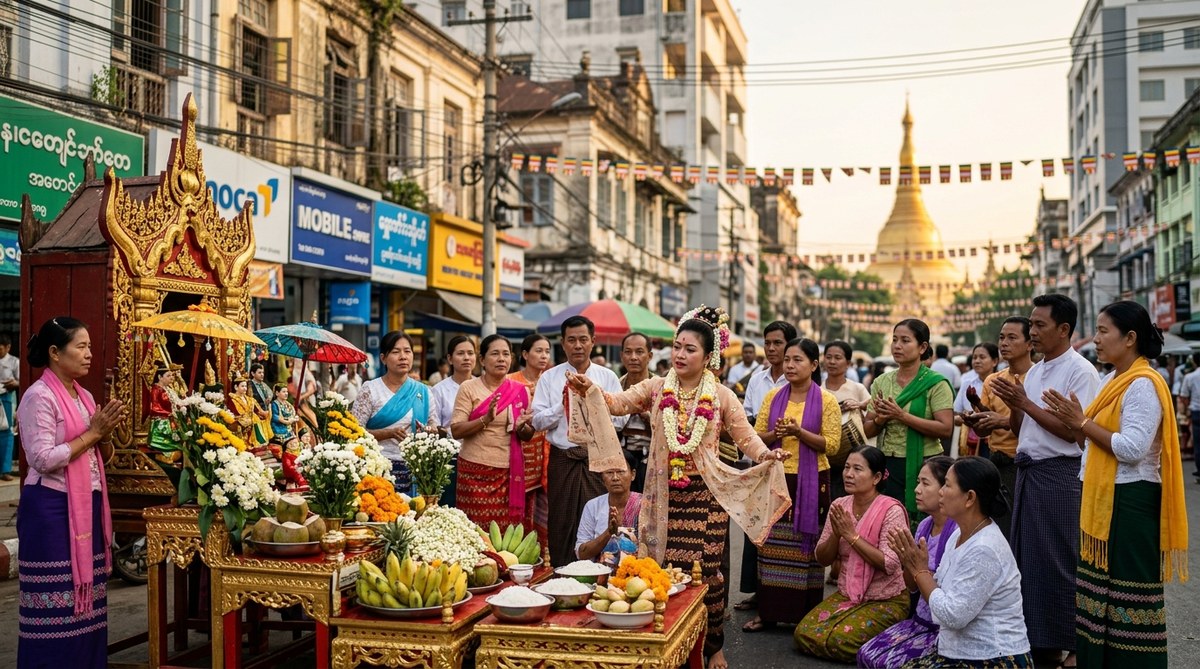
Myanmar’s spiritual landscape is deeply rooted in a unique blend of Buddhism, animism, and indigenous beliefs. Among the most fascinating aspects is the ongoing living tradition of Burmese Nat worship. These spirit worship practices have persisted for centuries and continue to influence daily life, festivals, and community rituals across Myanmar. Understanding how Nat worship functions today reveals a vibrant aspect of Myanmar’s cultural identity, intertwining ancient beliefs with contemporary practices.
The Roots of Nat Worship in Myanmar
Burmese Nat worship originated from pre-Buddhist animist traditions that honored spirits believed to inhabit natural elements, ancestors, or local legends. Over time, these spirits, known as Nats, became integrated into Myanmar’s spiritual fabric alongside Buddhism, which was introduced around the 11th century. Today, the Nat pantheon comprises 37 official spirits, each with its own story, symbolism, and specific domain.
The history of Nat worship is intertwined with Myanmar’s history of kingship, warfare, and societal changes. Many Nats are associated with historical figures, warriors, or tragic events, which reinforced their importance in local communities. Their worship often served as a way to seek protection, offer thanks, or request favors.
Modern Practices of Nat Worship in Myanmar
Despite the dominance of Buddhism, Nat worship remains vibrant across Myanmar. In many towns and villages, Nat shrines are prominent within monasteries, homes, and public spaces. People visit these shrines regularly, especially during festivals and special occasions.
How Nat Worship Is Carried Out Today
-
Visitations to shrines and temples
Many Burmese families maintain small shrines at home dedicated to specific Nats. These serve as focal points for daily offerings, prayers, and rituals. -
Annual festivals and ceremonies
The most notable event is the Nat Pwe or spirit festival, where communities gather to honor particular Nats through music, dance, offerings, and trance rituals. These festivals often last several days and attract both locals and visitors. -
Offerings and rituals
Offerings such as fruit, incense, flowers, and sometimes even cigarettes or alcohol are common. These are presented to appease the spirits or seek their blessings. -
Mediumship and trance
In traditional ceremonies, spirit mediums or shamans act as intermediaries, channeling the Nats to communicate with worshippers or deliver messages. This practice remains an essential part of religious life in many regions.
Practical Process for Engaging in Nat Worship
-
Identify the Nat or spirit you wish to honor
Research the stories and domains of different Nats to find which spirit aligns with your needs or history. -
Visit a local shrine or participate in a festival
Attending a Nat Pwe offers an immersive experience and a chance to observe or participate in communal worship. -
Make offerings and pray respectfully
Offerings should be appropriate to the Nat being honored. Respectful language and demeanor are essential. -
Engage with mediums or community elders
If interested in deeper participation, consult local practitioners or elders who can guide you through traditional rituals.
Common Practices in Burmese Nat Worship
- Lighting incense and candles
- Presenting fruit and flowers
- Offering cigarettes, alcohol, or traditional foods
- Participating in dance and music during festivals
- Seeking blessings through prayer or trance states
The Significance of Nat Worship in Contemporary Myanmar
Despite modernization and urbanization, Nat worship remains a vital part of Myanmar’s cultural identity. For many, it provides a connection to their ancestors, community, and local history. It also reflects a tolerant approach to spirituality, where multiple beliefs coexist peacefully.
Expert advice: “Participating in Nat festivals offers an authentic glimpse into Myanmar’s soul. Respect for tradition and local customs ensures meaningful engagement and appreciation of this living heritage.”
Challenges and Changes
While traditional practices remain strong, some aspects of Nat worship face challenges. Urban development, government restrictions, and changing societal attitudes influence how communities engage with these spirits. Nonetheless, the core rituals and festivals persist, adapting to contemporary contexts.
Practical Tips for Experiencing Burmese Nat Worship
- Attend a Nat Pwe festival during the main annual celebrations, often held in pagodas or dedicated shrines.
- Visit local villages where Nat shrines are central to community life.
- Respect local customs by dressing modestly and behaving respectfully during rituals.
- Learn about specific Nats through books or local guides to deepen your understanding.
- Engage with community elders or practitioners if you wish to participate more actively or learn traditional rituals.
Common Mistakes to Avoid
| Technique | Mistake | Advice |
|---|---|---|
| Participating in rituals | Disrespecting customs | Always observe and follow local guidance |
| Making offerings | Using inappropriate items | Use traditional offerings like fruit or flowers |
| Attending festivals | Being unprepared | Wear modest clothing and arrive with respectful attitude |
Preserving the Living Spirit of Nat Worship
The future of Nat worship relies on the community’s commitment to preserving these traditions. Younger generations are increasingly aware of their cultural roots, but continuous education and respectful participation are vital. Festivals and rituals serve as living reminders of Myanmar’s spiritual diversity.
Expert insight: “Nat worship is an enduring testament to Myanmar’s resilience and spiritual richness. Engaging with these traditions fosters cross-generational bonds and cultural pride.”
Connecting Past and Present Through Nat Worship
Understanding the living tradition of Burmese Nat worship in Myanmar offers a window into the country’s soul. It illustrates how ancient beliefs adapt and thrive amid modern life. Visiting a Nat festival or shrine can be a meaningful way to connect with Myanmar’s unique spiritual heritage.
By approaching Nat worship with respect and curiosity, travelers and learners can appreciate its significance beyond mere tradition. It remains a vital part of Myanmar’s identity, symbolizing resilience, community, and the enduring power of indigenous spirituality.
Celebrating Myanmar’s Spiritually Rich Heritage
Incorporating the understanding of Nat worship into your appreciation of Myanmar enriches your experience. Whether you observe a festival, visit a shrine, or converse with local practitioners, you participate in a living tradition that continues to shape Myanmar’s cultural landscape. Remember, respectful curiosity and genuine interest open doors to truly meaningful engagement with Myanmar’s spiritual world.
May your journey into Myanmar’s spiritual traditions deepen your understanding and foster a greater respect for its living heritage.