
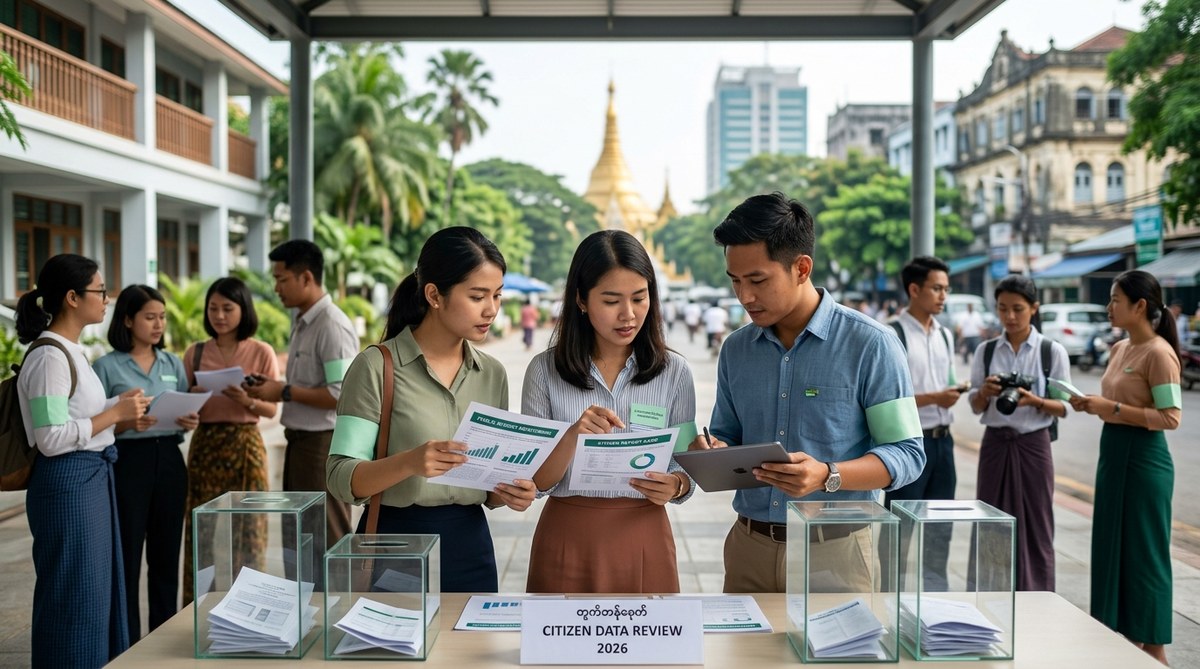
Myanmar has entered a new chapter in its ongoing journey toward democratic reform and governance transparency. Citizen-led movements have gained momentum, challenging traditional power structures and pushing for greater accountability. As 2026 unfolds, these grassroots efforts are becoming critical in shaping the country’s future. Understanding how these initiatives operate and their impacts can provide valuable insights for researchers, policymakers, journalists, and activists invested in Myanmar’s political landscape.
Citizen-led transparency movements in Myanmar are transforming governance by empowering civil society, increasing accountability, and fostering democratic resilience. These grassroots initiatives are vital in shaping policies and nurturing citizen participation in 2026. Their success depends on strategic collaboration, digital tools, and sustained civic engagement. Understanding these efforts offers lessons for fostering transparency in challenging political environments worldwide.
The Rise of Civic Engagement in Myanmar
Myanmar’s tumultuous history has long been marked by authoritarian rule, colonial influence, and ethnic conflicts. Yet in recent years, a surge of grassroots activism and civil society initiatives has emerged to counteract opacity in government operations. Citizen-led transparency movements in Myanmar 2026 are now at the forefront of efforts to promote open governance and civic participation.
These movements often take the form of community watchdog groups, online platforms, and collaborative networks that monitor public institutions. They aim to reveal corruption, push for policy reforms, and ensure that government actions align with citizens’ needs. Their rise reflects a growing awareness that transparency is essential for sustainable development and social justice.
How Citizen-Led Movements Are Shaping Governance
In Myanmar, citizen-led initiatives are employing innovative techniques to gather, verify, and disseminate information. These include digital tools like mobile apps, open-data portals, and social media campaigns. Such platforms allow ordinary citizens to report misconduct, access government data, and mobilize collective action.
These movements often operate through a few core processes:
- Data collection and verification: Citizens use mobile devices and online platforms to gather evidence of corruption or inefficiency. Community volunteers verify reports to ensure accuracy.
- Public dissemination: Verified information is shared via social media, local meetings, or collaboration with journalists, increasing awareness and pressure for change.
- Advocacy and dialogue: Movements engage with policymakers, demand reforms, and participate in public consultations to influence decision-making.
Practical steps for supporting citizen-led transparency in Myanmar
- Engage local communities: Build trust through consistent communication and by respecting local customs.
- Utilize digital platforms: Leverage social media, messaging apps, and data portals for broader reach.
- Partner with civil society and media: Collaborate with NGOs, journalists, and academic institutions to amplify impact.
Key techniques and common pitfalls
| Techniques | Mistakes to Avoid |
|---|---|
| Using open data for transparency initiatives | Relying on unverified information |
| Mobile reporting apps | Ignoring local cultural sensitivities |
| Social media campaigns | Over-centralization of information sources |
| Community workshops | Lack of follow-up or sustained engagement |
“The success of citizen-led movements hinges on their ability to adapt digital tools effectively and maintain community trust,” says Dr. Emily Carter, a governance expert specializing in Southeast Asia.
Challenges and Opportunities for Civic Movements
Despite their potential, these movements face hurdles such as government suppression, limited access to technology, and internal coordination issues. In Myanmar, political instability can threaten the safety of activists and hinder information flow.
However, opportunities abound. The increasing penetration of mobile internet, the global attention on Myanmar’s political reforms, and international support for civic tech projects bolster these efforts. For instance, civic tech initiatives like digital grievance mechanisms or open data portals are vital in bridging transparency gaps.
Practical processes to enhance effectiveness
- Capacity building: Train citizens on digital literacy and data analysis.
- Legal awareness: Educate activists about rights and protections under Myanmar’s evolving laws.
- International collaboration: Engage global watchdogs and development agencies for technical support.
The Role of Technology in Strengthening Transparency
Digital tools are revolutionizing citizen engagement in Myanmar. Platforms such as mobile reporting apps enable citizens to document issues anonymously, which is crucial in sensitive contexts. Open data portals foster transparency by providing accessible government information.
However, misuse or misinterpretation of data can create false narratives or undermine trust. Therefore, movements must adhere to rigorous verification standards and ethical guidelines.
Techniques to maximize digital impact
- Implement user-friendly interfaces
- Promote digital security and privacy
- Foster community moderation to prevent misinformation
| Technique | Mistake |
|---|---|
| Regular data updates | Neglecting data accuracy and verification |
| Training on digital security | Overlooking ethical considerations in data use |
| Engaging local tech developers | Ignoring cultural and language differences |
Building a Sustainable Civic Ecosystem
For citizen-led transparency movements to thrive in Myanmar, sustainability and inclusivity are key. This involves cultivating a broad base of active citizens, fostering cross-sector collaborations, and ensuring that information reaches marginalized groups.
The government’s openness to civil society engagement varies, but movements can influence policy by demonstrating their impact and maintaining transparency themselves.
Practical steps to sustain momentum
- Establish local hubs: Create physical and virtual spaces for citizen engagement.
- Secure diverse funding: Rely on a mixture of grants, donations, and community contributions.
- Monitor and evaluate: Regularly assess impact and adapt strategies accordingly.
Lessons From Myanmar’s Civic Transparency Efforts
Myanmar’s experience offers valuable insights into how grassroots movements can challenge entrenched power structures. Their resilience in face of adversity shows the importance of strategic planning, technological savvy, and community trust.
By sharing best practices and learning from setbacks, these movements can continue to push for meaningful reforms.
“Sustained citizen engagement is the backbone of transparent governance. Myanmar’s movements demonstrate that even in fragile environments, civic action can drive change,” emphasizes civil society advocate, James Lee.
A Path Forward for Civic Transparency in Myanmar
Encouraging citizen-led transparency initiatives requires ongoing support, both locally and internationally. Policymakers should create an enabling environment through laws and protections. Civil society must remain adaptive and innovative.
For activists and researchers, understanding Myanmar’s unique cultural and political context is crucial in designing effective strategies.
Practical advice for those interested in supporting or studying these movements:
- Stay informed about legal reforms and restrictions.
- Respect local customs and sensitivities.
- Foster long-term relationships with community leaders.
- Promote digital literacy to empower more citizens.
Final Thoughts on Civic Empowerment in Myanmar
Citizen-led movements in Myanmar 2026 exemplify the power of grassroots action in shaping governance. Their efforts are not only about exposing corruption but also about fostering a culture of transparency and participation. Supporting these initiatives requires patience, strategic collaboration, and a clear understanding of local dynamics.
By actively engaging with these movements, whether through research, advocacy, or volunteering, you contribute to strengthening Myanmar’s democratic fabric. The journey toward full transparency is ongoing, but each step taken by citizens brings the nation closer to accountable governance and social justice.
Remember, empowering communities at the local level creates ripples that can reach the highest echelons of power. Your involvement can make a difference in building a more open and resilient Myanmar.