

Yangon sits at a crossroads. The city pulses with energy, street vendors, golden pagodas, and a business scene that keeps shifting under your feet. For international professionals weighing a move, the question isn’t just whether opportunities exist. It’s whether you can navigate the permits, understand the risks, and build a life that works.
Working in Yangon as a foreigner requires careful planning around work permits, safety considerations, and realistic expectations about infrastructure. The job market favors NGO, education, and hospitality roles, but recent political changes have introduced uncertainty. Expats who succeed typically secure employment before arrival, maintain flexibility, and invest time in understanding local culture and current conditions before committing to relocation.
Understanding the current job market for foreigners
Yangon’s employment landscape has changed dramatically since 2021. The international business community contracted. Some sectors disappeared almost overnight. Others adapted.
NGOs and international organizations remain the most stable employers. Development work, humanitarian programs, and education projects continue to hire foreign staff. Teaching positions at international schools and language centers offer consistent opportunities, though salaries vary widely.
Hospitality and tourism roles exist but fluctuate with visitor numbers. Hotels, restaurants, and tour operators occasionally seek managers with international experience. The tech sector shows promise but remains small compared to regional neighbors.
Most foreign workers fall into these categories:
- Development and humanitarian professionals with specialized skills
- Teachers at international schools or universities
- Business consultants working on specific projects
- Hospitality managers at established hotels
- NGO program coordinators and technical advisors
Salaries depend heavily on your employer type. International organizations typically offer USD-based packages with housing allowances. Local companies pay in kyat at rates that may seem low by Western standards but can provide comfortable living in Yangon.
The work permit process step by step
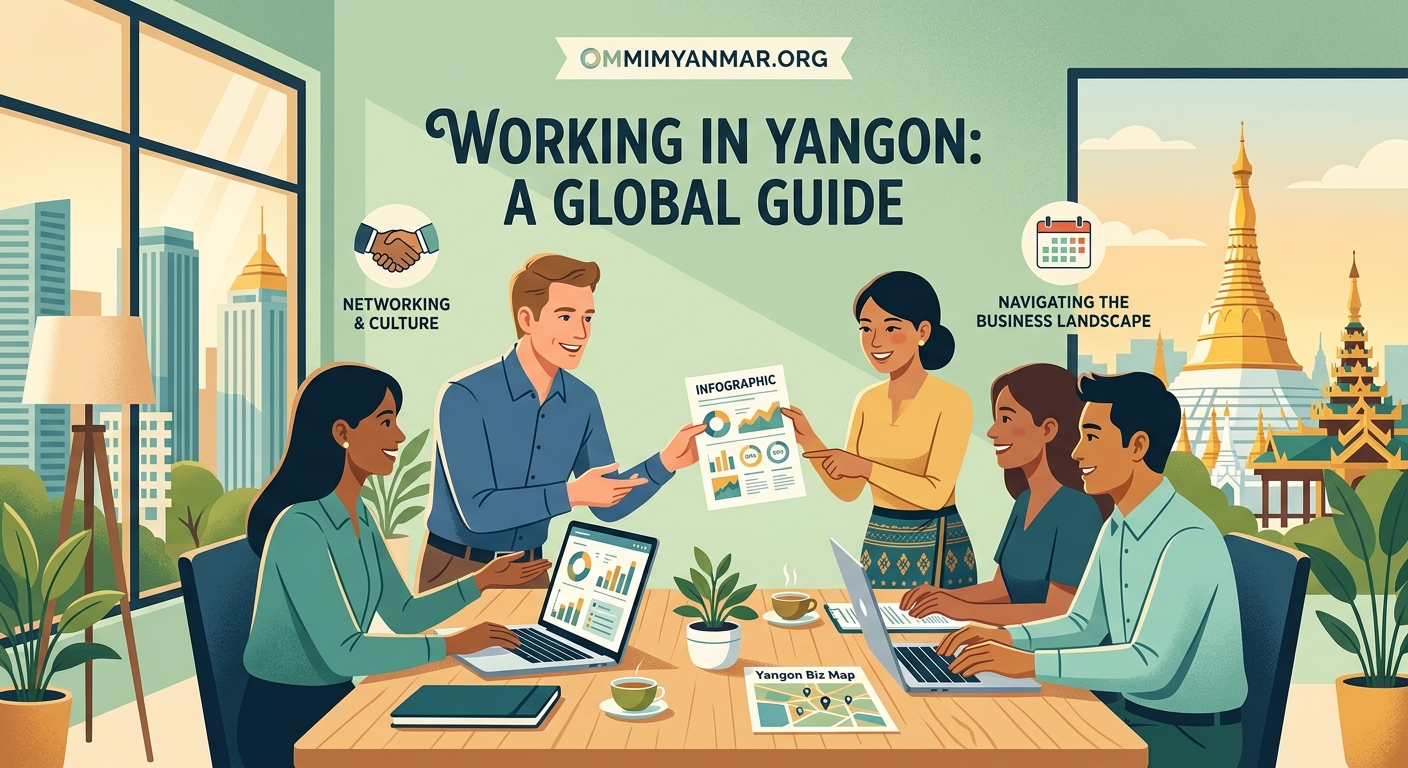
Securing legal permission to work takes patience and paperwork. The process involves multiple government departments and can stretch across weeks or months.
Here’s how it typically unfolds:
- Your employer submits a request to the Ministry of Labour explaining why they need a foreign worker for the role.
- The ministry reviews whether a Myanmar national could fill the position instead.
- Upon approval, your employer receives permission to proceed with your application.
- You gather required documents including passport copies, medical certificates, educational credentials, and employment contracts.
- Your employer submits the full application package along with government fees.
- Immigration processes your stay permit while labour authorities handle the work permit.
- You receive both documents, typically valid for one year and renewable.
The entire process costs between $500 and $1,500 in fees, usually covered by your employer. Processing times range from four to twelve weeks under normal conditions.
Always enter Myanmar on the correct visa type. Tourist visas cannot be converted to work permits from inside the country. You’ll need to exit and re-enter with proper documentation.
What the numbers tell you about living costs
Yangon offers a lower cost of living than most Asian capitals, but imported goods and Western amenities carry premium prices.
| Expense Category | Monthly Cost (USD) | Notes |
|---|---|---|
| Apartment (1-bedroom, expat area) | $400-800 | Downtown or near international schools |
| Apartment (1-bedroom, local area) | $200-400 | Outside main expat zones |
| Utilities | $50-100 | Electricity, water, internet |
| Food (cooking at home) | $150-250 | Mix of local markets and supermarkets |
| Dining out regularly | $200-400 | International restaurants cost more |
| Transportation | $100-200 | Taxi apps and occasional car hire |
| Health insurance | $100-300 | International coverage recommended |
A single professional typically needs $1,500 to $2,500 monthly for comfortable living. Families require $3,000 to $5,000 depending on schooling choices and lifestyle preferences.
Local markets offer incredible value. Street food costs less than a dollar per meal. Imported cheese, wine, and Western brands can cost double or triple what you’d pay back home. You’ll learn which compromises matter to you.
Safety considerations you need to understand
The security situation in Yangon differs from other parts of Myanmar. The city generally remains calmer than conflict zones in border regions. But the overall environment has become less predictable.
Daily life continues for most residents. Markets operate. Cafes serve customers. Traffic jams persist. Yet political tensions simmer beneath the surface. Protests can emerge suddenly. Internet shutdowns happen without warning. Banking systems face periodic disruptions.
Foreigners rarely face direct targeting, but you’re not immune to broader instability. Power cuts affect everyone. Currency fluctuations impact purchasing power. Travel restrictions can appear with little notice.
Practical safety measures include:
- Maintaining multiple communication methods in case internet access drops
- Keeping cash reserves in both kyat and USD
- Registering with your embassy and staying informed about their advisories
- Building relationships with long-term expats who understand local dynamics
- Avoiding political gatherings and demonstrations
- Having contingency plans for sudden departures
Many international professionals working in Yangon find daily life manageable. They focus on their work, build social networks, and navigate challenges as they arise. Others feel constant low-level stress about uncertainty. Your tolerance for ambiguity matters here.
Housing and neighborhoods that work for expats
Finding the right place to live shapes your entire Yangon experience. Neighborhoods vary dramatically in character, convenience, and cost.
Downtown areas like Botataung and Pabedan put you near restaurants, shops, and colonial architecture. Buildings tend to be older. Elevators may be unreliable. But walkability and atmosphere appeal to some foreigners.
Bahan and Yankin attract families working at international schools. These residential areas offer quieter streets, more green space, and proximity to expat-friendly amenities. Commutes to downtown take 20 to 40 minutes depending on traffic.
Golden Valley and Inya Lake represent the premium end. Larger houses, better infrastructure, and higher prices define these zones. Diplomats and senior executives cluster here.
Apartment hunting works differently than in Western cities. Real estate websites exist but listings can be outdated. Many landlords prefer direct contact or work through agents who charge one month’s rent as commission.
Lease terms typically require six months to one year upfront payment. Negotiation is expected. Inspect properties carefully for water pressure, electrical systems, and air conditioning function. Maintenance standards vary wildly.
Getting connected with phones and internet
Staying online matters for work and maintaining connections back home. Myanmar’s telecommunications infrastructure has improved but remains inconsistent.
Connecting to Myanmar: SIM cards, internet access, and staying online while traveling covers the technical details, but here’s what working professionals need to know.
Mobile data through local carriers like Ooredoo, Telenor, or MPT provides your most reliable connection. SIM cards cost a few dollars. Data packages run $10 to $20 monthly for adequate usage. Speeds vary by location but suffice for email, messaging, and video calls in most areas.
Home internet through fiber connections works well in central Yangon. Providers include Myanmar Net and others. Expect to pay $30 to $60 monthly for reasonable speeds. Service interruptions happen more frequently than you’re probably used to.
VPN services matter. Some international sites and services face blocks or restrictions. A good VPN costs $5 to $10 monthly and solves most access issues. Choose providers with servers in multiple countries for best results.
Healthcare options and what they actually cover
Medical facilities in Yangon range from basic clinics to international-standard hospitals. Knowing where to go for different situations prevents panic when health issues arise.
Pun Hlaing Siloam Hospital and Parami Hospital offer the highest standards with English-speaking staff and modern equipment. Consultation fees run $50 to $100. These facilities can handle most routine and emergency care.
International SOS operates a clinic serving expats with membership plans. Many employers include this coverage. It provides reliable primary care and coordinates medical evacuations for serious conditions.
For major surgery or complex conditions, most expats evacuate to Bangkok or Singapore. Medical evacuation insurance becomes essential. Verify your coverage includes air ambulance services and hospital deposits abroad.
Pharmacies stock common medications but imported brands cost more than local equivalents. Bring a supply of any prescription medications you take regularly. Generic versions of most drugs are available but quality varies.
Dental care costs significantly less than Western countries while maintaining good standards at top clinics. Many expats schedule major dental work during their Yangon assignments.
Making sense of Myanmar’s business culture
Professional relationships in Myanmar follow different patterns than you might expect. Understanding these dynamics helps you work more effectively.
Hierarchy matters deeply. Age and position command respect. Meetings often involve more senior people listening while junior staff present information. Direct contradiction of a superior’s opinion rarely happens in group settings.
Building personal relationships precedes business discussions. Expect tea, small talk, and multiple meetings before substantive negotiations begin. Rushing this process signals disrespect and damages your position.
Communication tends toward the indirect. A “yes” might mean “I heard you” rather than “I agree.” Silence can indicate disagreement. Learning to read context and body language takes time but proves essential.
Patience becomes your most valuable professional skill. Decisions move slowly. Approvals require multiple signatures. Systems that seem inefficient reflect different priorities around consensus and face-saving.
Dress codes lean conservative. Men wear long pants and collared shirts to offices. Women choose modest clothing covering shoulders and knees. Casual Friday doesn’t exist in most Yangon workplaces.
Common mistakes foreigners make and how to avoid them
Learning from others’ errors saves you time, money, and embarrassment. These mistakes appear repeatedly among newcomers.
| Mistake | Why It Happens | Better Approach |
|---|---|---|
| Arriving without a job secured | Assuming you’ll find work easily | Apply and secure employment before relocating |
| Underestimating permit timelines | Expecting Western processing speeds | Start paperwork 3-4 months before intended start date |
| Bringing only credit cards | Thinking cards work everywhere | Carry USD cash and exchange gradually |
| Renting sight unseen | Trusting online photos | Visit properties in person or use trusted contacts |
| Ignoring local customs | Focusing only on work | Invest time learning basic etiquette and language |
| Skipping health insurance | Believing local care is affordable | Get comprehensive international coverage |
The most successful expats arrive with realistic expectations. They accept that systems work differently. They find humor in daily frustrations. They build friendships with both foreigners and Myanmar nationals.
Banking and managing your money
Financial systems in Myanmar present unique challenges. Understanding how money works here prevents headaches and potential losses.
Opening a local bank account requires a work permit and patience. Accounts typically hold kyat, though some banks offer USD accounts for foreigners. Expect limited online banking features compared to Western standards.
International transfers face restrictions and delays. Some banks can receive SWIFT payments but processing takes days or weeks. Fees eat into amounts received. Many expats use informal money changers or bring cash to exchange gradually.
Banking and currency exchange: a practical guide for business travelers provides deeper detail, but working professionals should know that salary payments often come in cash. Large stacks of kyat notes become normal. Safe storage at home matters.
Credit cards work at major hotels and some restaurants but remain uncommon for daily transactions. Mobile payment apps like Wave Money and KBZ Pay have grown popular among locals but foreigners face setup challenges.
Keep multiple currency reserves. USD cash provides security when kyat fluctuates or banking systems face disruptions. Small denominations matter since many vendors can’t break large bills.
Building a social life outside work
Professional success in Yangon depends partly on maintaining your mental health and social connections. Isolation affects foreigners who focus only on work.
The expat community remains active despite recent challenges. Social clubs, sports leagues, and networking groups operate regularly. Yangon Hash House Harriers runs weekly. Softball and rugby teams welcome new players. Book clubs and hiking groups organize activities.
International schools host events that bring families together. Even if you don’t have children, these gatherings offer chances to meet other foreigners and learn about life in the city.
Language exchange meetups connect you with Myanmar nationals wanting to practice English. These relationships often become genuine friendships beyond language practice.
Volunteering provides purpose and community. Organizations working on education, health, and development welcome skilled volunteers. Your professional expertise can make real impact while building meaningful connections.
Coffee shops and coworking spaces serve as social hubs. Places like Mingalar Market and Sule Square attract remote workers and freelancers. Regular visits help you recognize familiar faces and start conversations.
What to know about taxes and financial obligations
Tax requirements for foreigners working in Myanmar involve both local and home country considerations. Getting this wrong creates problems you don’t want.
Myanmar taxes foreign workers on income earned within the country. Rates range from 0% to 25% based on income levels. Your employer typically handles withholding, but verify they’re doing it correctly.
Tax year runs from April to March. Annual filing requires submission of income statements and tax calculations. Penalties for non-compliance can be severe. Navigating Myanmar’s tax system as a foreign business owner explains the broader framework.
Most countries require citizens to report worldwide income regardless of where they live. US citizens face particularly complex requirements. Consult a tax professional familiar with expat situations before accepting a Yangon position.
Social security contributions may apply depending on your employer type and contract structure. International organizations often operate under different rules than local companies.
Keep meticulous records. Save payslips, rent receipts, and documentation of all income and major expenses. Tax authorities can request historical information with limited notice.
Education options if you’re bringing children
Families considering Yangon need to understand schooling choices and costs. Education quality varies dramatically between institutions.
International schools follow British, American, or International Baccalaureate curricula. Yangon International School, International School Yangon, and Myanmar International School rank among the most established. Annual fees range from $15,000 to $25,000 per child.
These schools offer familiar structures, English instruction, and pathways to Western universities. Class sizes stay small. Facilities include sports programs, arts, and extracurriculars. Many employers provide education allowances covering most or all costs.
Waiting lists exist for popular schools. Apply as soon as you accept a job offer. Some families secure spots a year in advance.
Local schools teach in Burmese following Myanmar’s national curriculum. A few offer English-language programs but standards differ significantly from international schools. Most expat families choose international options despite higher costs.
Homeschooling works for some families. Online curricula and parent networks provide support. Myanmar’s regulations around homeschooling remain somewhat unclear, so research current requirements.
Transportation and getting around daily
Moving through Yangon requires patience and flexibility. Traffic congestion defines the city, especially during rush hours.
Grab operates as the primary ride-hailing app. Fares stay reasonable by Western standards. A typical cross-city trip costs $3 to $6. Drivers speak varying levels of English, so having addresses in Burmese helps.
Traditional taxis cruise streets looking for passengers. Negotiate fares before entering since meters rarely work. Expect to pay slightly less than Grab but with more hassle.
Buses serve locals well but present challenges for foreigners. Route maps exist in English but stops lack clear signage. Crowding during peak hours makes this option impractical for most expats.
Many foreign professionals eventually buy or lease vehicles. Driving in Yangon takes nerves. Traffic rules exist more as suggestions. Lanes mean little. Honking serves as primary communication. International driving permits work for short periods, but long-term residents need Myanmar licenses.
Navigating Myanmar’s transportation network: trains, buses, and domestic flights explained covers intercity travel for when you want to see more of the country.
Motorcycles and scooters face restrictions in central Yangon. Bicycles work for short distances but pollution and traffic make cycling less pleasant than in other Asian cities.
Food, restaurants, and eating safely
Yangon’s food scene offers incredible variety at prices that make dining out affordable. Understanding what to eat and where prevents most health issues.
Street food dominates local life. Mohinga for breakfast, tea shop snacks, and evening barbecue stands feed millions daily. Most foreigners eventually try street food, and many develop favorites. Start with cooked items from busy vendors. High turnover means fresher ingredients.
Local restaurants serve traditional Myanmar dishes alongside Chinese, Indian, and Thai options. A filling meal costs $2 to $5. English menus exist at tourist-friendly spots but remain rare elsewhere.
International restaurants cater to expats and wealthy locals. Japanese, Korean, Italian, and Western chains operate in major shopping areas. Expect prices similar to or higher than Western countries.
Eating your way through Myanmar: a food safety and etiquette guide for travelers covers detailed safety practices, but working professionals should know that most foreigners experience occasional stomach issues during their first months. Carry anti-diarrheal medication. Stay hydrated. Your system adapts over time.
Supermarkets like City Mart and Ocean stock imported goods alongside local products. Prices for Western items shock newcomers. A jar of peanut butter might cost $8. Local alternatives often work fine once you adjust expectations.
Water quality requires attention. Drink bottled or filtered water. Ice at reputable establishments usually comes from purified sources but verify when possible. Avoid tap water for drinking and brushing teeth initially.
The regulatory environment and compliance matters
Working legally in Myanmar means understanding and following multiple layers of regulation. Recent years have seen enforcement become more unpredictable.
What NGO workers need to know about navigating Myanmar’s regulatory environment addresses nonprofit-specific issues, but all foreign workers face similar challenges around permits, reporting, and compliance.
Your work permit specifies your employer and job title. Changing employers requires starting the permit process again. Side work or freelancing on a work permit tied to a specific employer violates regulations.
Visa runs used to offer a way to extend stays, but rules have tightened. Relying on visa runs instead of proper work permits creates risk of denial on re-entry.
Registration with local authorities within 24 hours of arrival technically applies to all foreigners. Hotels handle this automatically. If staying in private housing, your landlord or you must complete notification forms. Enforcement varies but non-compliance can create issues during permit renewals.
Some professions face additional licensing requirements beyond work permits. Teachers may need certification verification. Medical professionals require local registration. Verify requirements specific to your field before accepting positions.
Understanding what’s realistic about career growth
Yangon offers certain types of professional development while limiting others. Setting appropriate expectations helps you decide if a move makes sense for your career trajectory.
International organizations provide structured advancement paths. You might start as a project officer and progress to program manager or country director. These roles build valuable skills in cross-cultural management, crisis response, and adaptive leadership.
Teaching positions offer steady work but limited upward mobility unless you move into administration. International school leadership roles exist but competition is fierce and often requires specific qualifications.
Private sector opportunities remain constrained. Understanding Myanmar’s labor market: skills, costs, and hiring practices shows that local companies rarely promote foreigners into top positions. Regulatory preferences favor Myanmar nationals.
Many professionals view Yangon as a two to four year assignment. They gain international experience, build unique expertise, and then leverage that background for positions elsewhere. Long-term career building in Myanmar faces more obstacles than in regional neighbors like Thailand or Vietnam.
Networking matters enormously. The foreign professional community is small enough that reputation spreads. Strong performance and relationships open doors to opportunities that never get advertised.
When Yangon might not be right for you
Honest assessment of fit prevents costly mistakes. Certain situations make Yangon particularly challenging.
If you need cutting-edge professional infrastructure, Yangon will frustrate you. Internet reliability, office systems, and business tools lag behind developed markets. Workarounds become daily routine.
Risk-averse personalities struggle with Myanmar’s uncertainty. Political shifts, regulatory changes, and economic volatility require constant adaptation. If you need predictability and clear long-term planning, other locations serve better.
Families with children who have special educational needs face limited options. International schools offer some support services but not at levels available in Singapore, Bangkok, or Western cities.
Health conditions requiring specialized ongoing care present challenges. While basic healthcare works fine, complex conditions often necessitate travel abroad for treatment.
If your career depends on being in a major global hub with constant industry events, conferences, and networking, Yangon’s isolation becomes a liability. Professional development opportunities exist but in narrower scope.
Making your decision with eyes open
Working in Yangon as a foreigner offers rewards and challenges in equal measure. The city provides affordable living, fascinating culture, and work that often carries real meaning. Development projects, education programs, and business ventures here can create tangible impact.
But the environment demands flexibility, patience, and realistic expectations. Infrastructure frustrates. Bureaucracy slows everything down. Political uncertainty colors daily life. Success requires accepting these realities rather than fighting them.
Talk to people currently working in Yangon before committing. Ask hard questions about their daily frustrations, not just highlights. Request honest assessments of safety, career prospects, and quality of life. Most expats will share candidly about both positives and negatives.
Visit before accepting a position if possible. A week in Yangon reveals whether the city’s rhythm matches your temperament. Walk the neighborhoods where you’d live. Eat at local restaurants. Sit in traffic. Notice how you feel.
The foreigners who thrive here typically share certain traits. They find adventure in uncertainty. They value experience over comfort. They can laugh at daily absurdities. They build genuine relationships across cultures. They focus on what they can control while accepting what they can’t.
If that sounds like you, and if the practical realities around permits, safety, and living costs work for your situation, Yangon might offer exactly the kind of challenge and growth you’re seeking. Just make sure you’re choosing it with clear understanding of what you’re signing up for.