
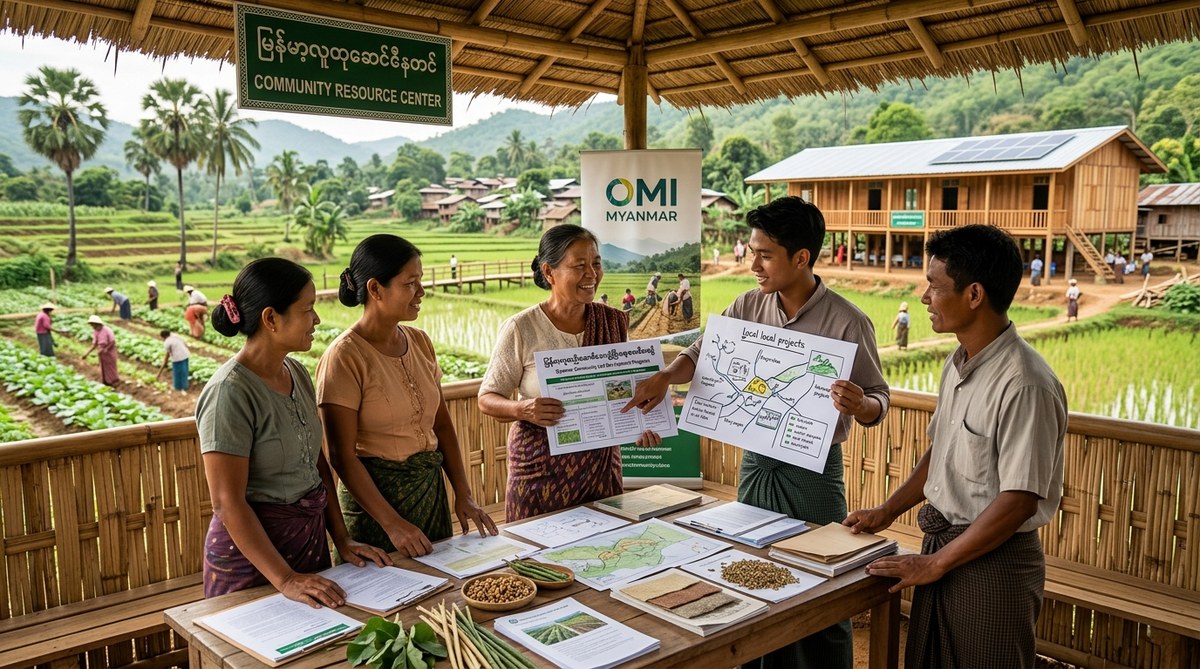
Myanmar is a country with a rich cultural tapestry and a complex history. In recent years, grassroots efforts led by local communities have become vital to shaping a resilient, inclusive future. Community-led development initiatives in Myanmar are transforming the way people participate in shaping their neighborhoods and rural areas. These efforts foster sustainable progress by putting local voices at the center of decision-making, creating a ripple effect that benefits entire communities.
Understanding the importance of community-led development in Myanmar
Myanmar’s diverse ethnic groups and varied geographic landscapes present unique challenges and opportunities for development. Traditional top-down approaches often fall short of capturing local needs and harnessing community strengths. Community-led initiatives shift this paradigm, empowering residents to identify their priorities, mobilize resources, and implement solutions that truly resonate with their cultural context.
These efforts are especially crucial in remote rural areas where government services may be limited. By organizing around local issues such as access to clean water, education, health services, or disaster preparedness, communities create sustainable models that are more adaptable and enduring. This bottom-up approach not only improves living standards but also nurtures civic engagement and social cohesion.
Key techniques driving community-led initiatives in Myanmar
Many effective techniques support grassroots development in Myanmar. Understanding these methods can help practitioners, researchers, and NGOs enhance their impact.
| Technique | Description | Common Mistakes |
|---|---|---|
| Participatory planning | Engaging community members in identifying needs and designing solutions | Overlooking marginalized voices, rushing the process |
| Capacity building | Providing training and resources to strengthen local leadership | Focusing only on immediate issues, neglecting long-term support |
| Resource mobilization | Combining local assets, government aid, and NGO support | Relying solely on external funding, neglecting local contributions |
| Monitoring and evaluation | Tracking progress with community input to adapt strategies | Using top-down metrics, ignoring local feedback |
Expert advice: “For community-led development to succeed, it must be inclusive and adaptable. Building trust and respecting local knowledge are essential for lasting change,” emphasizes development practitioner Aung Min.
Practical steps to support community-led development initiatives
If you wish to get involved or facilitate grassroots projects in Myanmar, consider these steps:
- Engage with local communities: Start by listening to community members’ concerns and aspirations. Building relationships is key.
- Assess local assets and needs: Conduct participatory assessments to understand resources, skills, and priorities.
- Foster local leadership: Support community members to take ownership and lead initiatives.
- Connect with partners: Collaborate with NGOs, government agencies, and donors who value community voices.
- Implement and adapt: Support the community in executing projects while remaining flexible to feedback.
-
Monitor results together: Use shared evaluation to ensure initiatives meet evolving needs.
-
Building trust through consistent communication
- Respecting local customs and traditions
- Ensuring transparency in resource use
- Supporting youth and women’s participation
- Encouraging peer-to-peer learning
Challenges faced and how to overcome them
Community-led development in Myanmar faces several hurdles. These include political instability, limited access to funding, and social divisions. Recognizing these challenges is the first step toward addressing them.
| Challenges | Solutions | Common mistakes |
|---|---|---|
| Political constraints | Advocacy and alignment with local leaders | Ignoring political sensitivities, alienating stakeholders |
| Funding shortages | Diversify sources, including local fundraising | Relying solely on external donors |
| Social tensions | Promote dialogue and inclusive participation | Excluding minority groups, creating divisions |
| Capacity gaps | Ongoing training and mentorship | One-time workshops, neglecting follow-up |
“Patience and persistent engagement are vital when navigating complex social and political landscapes. Local trust is the foundation of sustainable initiatives,” advises community organizer Ko Ko.
Techniques for enhancing transparency and civic engagement
Transparency is central to community-led development. It builds trust and accountability, ensuring projects serve the community’s best interests.
- Organize regular community meetings to discuss progress.
- Use local media and social platforms to share updates.
- Establish community funds with clear accountability.
- Facilitate workshops on civic rights and responsibilities.
A simple table can illustrate common techniques and mistakes:
| Technique | Mistake to avoid |
|---|---|
| Public forums | Dominance by local elites, neglecting marginalized voices |
| Transparent budgeting | Lack of community involvement in financial decisions |
| Digital tools | Excluding those without internet access, poor digital literacy |
The impact of grassroots initiatives in Myanmar
Community-led efforts have shown tangible results across Myanmar. In rural areas, villagers have successfully improved access to clean water by organizing collective investments. Youth groups have launched vocational training programs, empowering peers and reducing migration pressures. Women-led cooperatives have increased local income and social cohesion.
These initiatives often inspire neighboring communities, creating a network of resilient, self-sufficient areas. Such models demonstrate that sustainable development thrives when communities are active participants rather than passive recipients.
Final thoughts on fostering grassroots resilience
Supporting Myanmar’s community-led development initiatives requires patience, respect, and collaboration. Whether you are a researcher, development worker, or student, recognizing local agency is fundamental. By listening more, building trust, and providing appropriate resources, you can help empower communities to shape their futures.
Remember, real change happens when people work together from the ground up. Your role can be as simple as facilitating dialogue, providing training, or connecting communities to wider networks. Small steps can lead to lasting, positive impacts.
Cultivating a resilient Myanmar from the ground up
Myanmar’s communities hold a wealth of knowledge and resilience. By fostering grassroots development efforts, we support their journey toward stability and prosperity. Emphasizing local voices and solutions creates sustainable progress that respects Myanmar’s diverse cultural fabric.
Encouraging community participation not only solves immediate problems but also nurtures a sense of ownership and pride. As we continue to learn from these initiatives, we can refine our approaches and deepen our understanding of grassroots resilience.
Building a better Myanmar involves listening, respecting, and partnering with its communities. Take these principles to heart when engaging with local development efforts. Together, we can support Myanmar’s communities in building a sustainable, inclusive future.