
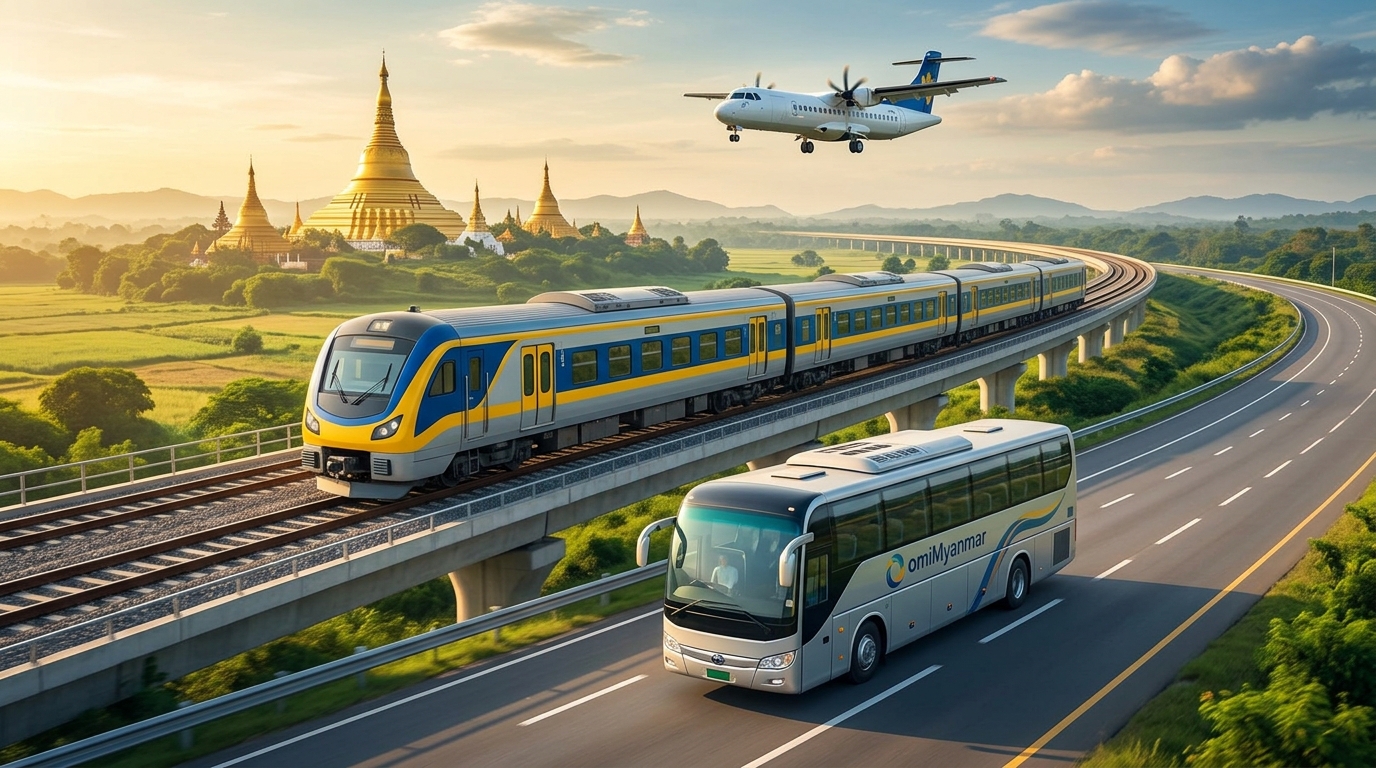
Getting around Myanmar can feel overwhelming at first. The country spans more than 2,000 kilometers from north to south, and the transportation network mixes modern flights with colonial-era trains and privately run buses. But once you understand how each option works, moving between Yangon, Bagan, Mandalay, and Inle Lake becomes straightforward.
Myanmar offers three main transportation modes: domestic flights for speed, buses for budget travel, and trains for cultural immersion. Buses provide the best balance of comfort and cost for most routes, while flights save time on long distances. Train journeys offer scenic views but require patience. Booking ahead, carrying cash, and confirming schedules locally will make your journey smoother across this diverse country.
Understanding Myanmar’s transportation landscape
Myanmar’s transportation system reflects its geography and development history. Major cities connect through a mix of public and private services, but infrastructure quality varies widely. Roads have improved significantly in tourist areas, yet remote regions still rely on unpaved routes.
Most travelers move between four main hubs. Yangon serves as the commercial gateway. Mandalay anchors the north. Bagan draws visitors to its temple plains. Inle Lake offers highland scenery and floating villages.
Distance matters more than you might expect. Yangon to Mandalay spans 630 kilometers. Surface travel takes 8 to 10 hours by bus or 14 to 16 hours by train. The same route takes just 90 minutes by air.
Before finalizing your myanmar transportation guide planning, check current conditions. Road closures, seasonal weather, and local regulations can affect schedules.
Flying between cities saves time but costs more
Domestic airlines operate modern fleets on popular tourist routes. Myanmar National Airlines, Golden Myanmar Airlines, and Air KBZ serve most destinations daily.
Popular flight routes and typical fares:
| Route | Flight Time | Typical Cost (USD) |
|---|---|---|
| Yangon to Mandalay | 90 minutes | $80 to $120 |
| Yangon to Bagan | 80 minutes | $90 to $130 |
| Mandalay to Heho (Inle Lake) | 45 minutes | $70 to $100 |
| Yangon to Heho | 70 minutes | $85 to $115 |
Prices fluctuate based on season and booking timing. December through February sees peak demand and higher fares. Book at least two weeks ahead for better rates.
Airport facilities remain basic outside Yangon and Mandalay. Arrive 90 minutes before domestic flights. Security moves efficiently, but check-in counters can close 45 minutes before departure.
Benefits of domestic flights:
- Time savings on long distances
- Reliable schedules during dry season
- Air conditioning and comfort
- Baggage allowances suitable for travelers
- Online booking available
Drawbacks to consider:
- Higher cost compared to surface transport
- Limited luggage flexibility
- Weather delays during monsoon season
- Less cultural interaction
- Airport locations outside city centers
Purchase tickets through airline websites or local travel agencies. Credit cards work online, but agencies often require cash payment. Keep your booking reference and passport handy for check-in.
Buses offer the best value for most travelers
Long-distance buses dominate intercity travel in Myanmar. Private companies operate modern VIP coaches on major routes, offering reclining seats, air conditioning, and onboard toilets.
Choosing the right bus company
JJ Express, Elite, and Mandalar Minn run the most reliable services. Their VIP buses feature wider seats, more legroom, and better suspension than standard coaches.
Standard buses cost 30 to 50 percent less but sacrifice comfort. Older vehicles, narrower seats, and frequent stops make these suitable only for short journeys or tight budgets.
Booking your bus ticket
- Research companies serving your route at least three days ahead
- Visit the bus station or authorized ticket office in person
- Specify VIP or standard class based on your comfort needs
- Confirm departure time, pickup location, and any stops
- Pay in cash and keep your ticket safe
- Arrive 30 minutes early at the departure point
Most buses leave from dedicated highway bus stations located outside city centers. Taxi rides to these terminals cost $5 to $10 from downtown areas.
Common bus routes and journey times:
- Yangon to Bagan: 9 to 10 hours, departing 7 PM to 9 PM
- Yangon to Mandalay: 9 to 11 hours, departing 6 PM to 9 PM
- Mandalay to Bagan: 5 to 6 hours, multiple daily departures
- Bagan to Inle Lake: 7 to 8 hours via Meiktila
- Mandalay to Hsipaw: 5 to 6 hours, morning departures
Overnight buses make sense for longer routes. You save a hotel night and arrive fresh in the morning. Bring a light jacket since air conditioning runs cold, and pack snacks for the journey.
“VIP buses in Myanmar now match comfort levels found in Thailand or Vietnam. The key is choosing established companies and confirming your booking directly at their office.” — Travel consultant based in Yangon
Trains provide scenic journeys for patient travelers
Myanmar Railways operates an extensive network built during British colonial rule. Trains move slowly, tracks need maintenance, and delays happen frequently. But the experience offers unmatched views and cultural immersion.
Popular tourist train routes
The Yangon to Mandalay line ranks as the most traveled route. Overnight sleeper trains depart both cities in the evening, arriving 14 to 16 hours later. Upper-class sleepers provide basic beds with sheets and pillows.
The Mandalay to Hsipaw route showcases Shan State highlands. This daytime journey crosses the Gokteik Viaduct, a century-old railway bridge spanning a dramatic gorge.
Circular train rides around Yangon cost just $1 and take three hours. Local vendors, suburban scenery, and morning markets make this a cultural experience rather than practical transport.
Booking train tickets as a foreigner
Foreign visitors must book through authorized agencies or hotel reception desks. Direct purchase at stations requires a Myanmar citizen to make the reservation. This system aims to ensure tourist safety and track visitor movements.
Agencies charge a small service fee but handle the paperwork. Book sleeper berths at least one week ahead during peak season.
Train classes explained:
- Upper Class: Air-conditioned sleepers with beds and basic bedding
- First Class: Reclining seats with fans, some air conditioning
- Ordinary Class: Bench seating, crowded, local experience
Food vendors board at major stops selling snacks, fruit, and tea. Bring bottled water and toilet paper since onboard facilities are basic.
Getting around cities and towns
Local transportation varies by city size and tourist development. Yangon offers the most options, while smaller towns rely on basic services.
Urban transport options:
- Taxis: Metered in Yangon, negotiated rates elsewhere
- Grab app: Available in Yangon and Mandalay for reliable pricing
- Trishaws: Pedal-powered for short distances in smaller towns
- Motorcycle taxis: Fast but less safe, helmet often not provided
- Pickup trucks: Shared transport in rural areas
Yangon taxis now use meters, but drivers may claim they’re broken. Agree on fares before starting your journey. Typical rates run $3 to $5 for cross-town trips.
Grab operates in major cities and eliminates bargaining. Download the app and add credit before you need a ride, since internet can be unreliable. Check out our guide on connecting to Myanmar for tips on staying online.
Renting bicycles works well in Bagan and Inle Lake areas. Daily rates cost $2 to $3, and flat terrain makes cycling manageable. E-bikes offer motorized assistance for $5 to $8 per day.
Practical tips for smooth transportation
Cash remains essential throughout Myanmar. Bus companies, train agencies, and local transport operators rarely accept cards. ATMs in cities dispense kyat, but carry US dollars as backup.
Money matters for transport:
- Keep small kyat notes for taxis and local transport
- Carry $100 in clean US bills for emergencies
- Budget $20 to $30 daily for local transportation
- Add $80 to $150 per domestic flight
- Expect $15 to $25 for VIP bus tickets
Confirm schedules locally even after booking. Departure times shift based on demand, weather, and road conditions. Ask your hotel reception to verify your bus or train timing the day before travel.
Pack light for bus and train journeys. Overhead racks hold small bags, but large luggage goes underneath or in cargo areas. Keep valuables, medications, and documents in your carry-on.
Travel during dry season (November through February) brings the most reliable schedules. Monsoon months (June through September) can flood roads and delay services significantly.
Safety considerations while traveling
Myanmar’s transportation safety standards differ from Western countries. Buses sometimes speed on highways, trains lack modern safety features, and road conditions vary.
Choose established bus companies with newer fleets. Check vehicle condition before boarding overnight buses. Exit rows and front seats offer more space during emergencies.
Wear seatbelts when available. Bus seatbelts often exist but go unused by locals. Buckle up anyway, especially on mountain roads.
Keep your belongings secure during journeys. Theft rarely targets tourists, but opportunistic theft can occur at crowded bus stations. Use locks on backpacks and keep electronics out of sight.
Travel insurance should cover land transportation accidents. Standard policies include bus and train coverage, but verify your specific terms before departure.
Seasonal factors affecting transportation
Myanmar’s climate creates distinct travel seasons. Understanding weather patterns helps you plan realistic schedules.
Dry season (November to February):
– Best time for reliable transportation
– Clear roads and on-time departures
– Higher prices and fuller buses
– Book flights and buses two weeks ahead
Hot season (March to May):
– Temperatures exceed 40°C in central plains
– Daytime bus travel becomes uncomfortable
– Fewer tourists mean lower prices
– Air conditioning essential for comfort
Monsoon season (June to October):
– Road flooding possible in coastal areas
– Train delays increase significantly
– Domestic flights face weather cancellations
– Budget accommodations and transport available
Plan flexibility into monsoon season itineraries. Build extra days between destinations so delays don’t cascade through your schedule.
Combining transportation modes strategically
Smart travelers mix transport types based on distance, time, and budget. Flights make sense for long north-south routes. Buses work well for medium distances. Trains suit travelers prioritizing experience over efficiency.
Sample itinerary combinations:
- Fly Yangon to Mandalay (save 10 hours)
- Bus Mandalay to Bagan (scenic 5-hour journey)
- Bus Bagan to Inle Lake (experience local travel)
- Fly Heho back to Yangon (avoid backtracking)
This approach balances cost, time, and cultural immersion. You spend money on flights where time matters most, while experiencing local transport on manageable routes.
Consider overnight buses between distant points. The Yangon to Mandalay overnight bus saves a hotel night and maximizes daylight hours at your destination.
Special routes worth considering
Some journeys offer unique experiences beyond simple transportation.
The Mandalay to Bagan ferry runs daily during high water season. This full-day river journey costs less than buses but takes 10 to 12 hours. Deck seating provides Irrawaddy River views and local interaction.
The Yangon circular train circles the city in three hours, stopping at suburban stations where vendors board with fresh produce. This costs $1 and provides authentic local atmosphere.
Kalaw to Inle Lake trekking routes let you walk between destinations over two or three days. Guides arrange village homestays, and porters carry main luggage while you day-pack.
Accessibility and special needs
Transportation accessibility remains limited in Myanmar. Wheelchair access exists only in major airports and newer hotels. Buses lack lifts, trains have steep steps, and stations offer minimal assistance.
Travelers with mobility challenges should:
- Book ground-floor hotel rooms in advance
- Arrange private car transport through hotels
- Allow extra time for boarding and transfers
- Travel with a companion when possible
- Contact airlines about assistance services
Private car hire costs $60 to $100 daily but provides door-to-door service and flexibility. Drivers often speak basic English and know accessible routes.
Making transportation work for your trip
Myanmar’s transportation network rewards patience and planning. The system works reliably once you understand local norms and adjust expectations.
Start by mapping your must-see destinations. Calculate distances and realistic travel times. Build rest days after long journeys, especially if combining multiple bus or train trips.
Book accommodations near bus stations for early departures. Many overnight buses leave between 6 PM and 9 PM from terminals outside city centers. Staying nearby eliminates rushed taxi rides and reduces stress.
Download offline maps before traveling. Google Maps works in major cities but loses accuracy in rural areas. Maps.me provides detailed offline navigation throughout Myanmar.
Your transportation choices shape your Myanmar experience. Flights maximize sightseeing time. Buses balance comfort and cost. Trains offer cultural immersion. Mix these options based on your priorities, and you’ll navigate this fascinating country with confidence.